

Export from Nepal to India continues to grow soybean oil
In the first quarter of the 2025-2026 fiscal year, Nepal continued to demonstrate an impressive surge in exports. According to the Ministry of Commerce, exports to India, the country’s main trading partner, increased by a record 137.9%. While last year’s exports totaled 24.85 billion Nepalese rupees in the first three months, this year they have already reached 59.12 billion, Lines Live reports.
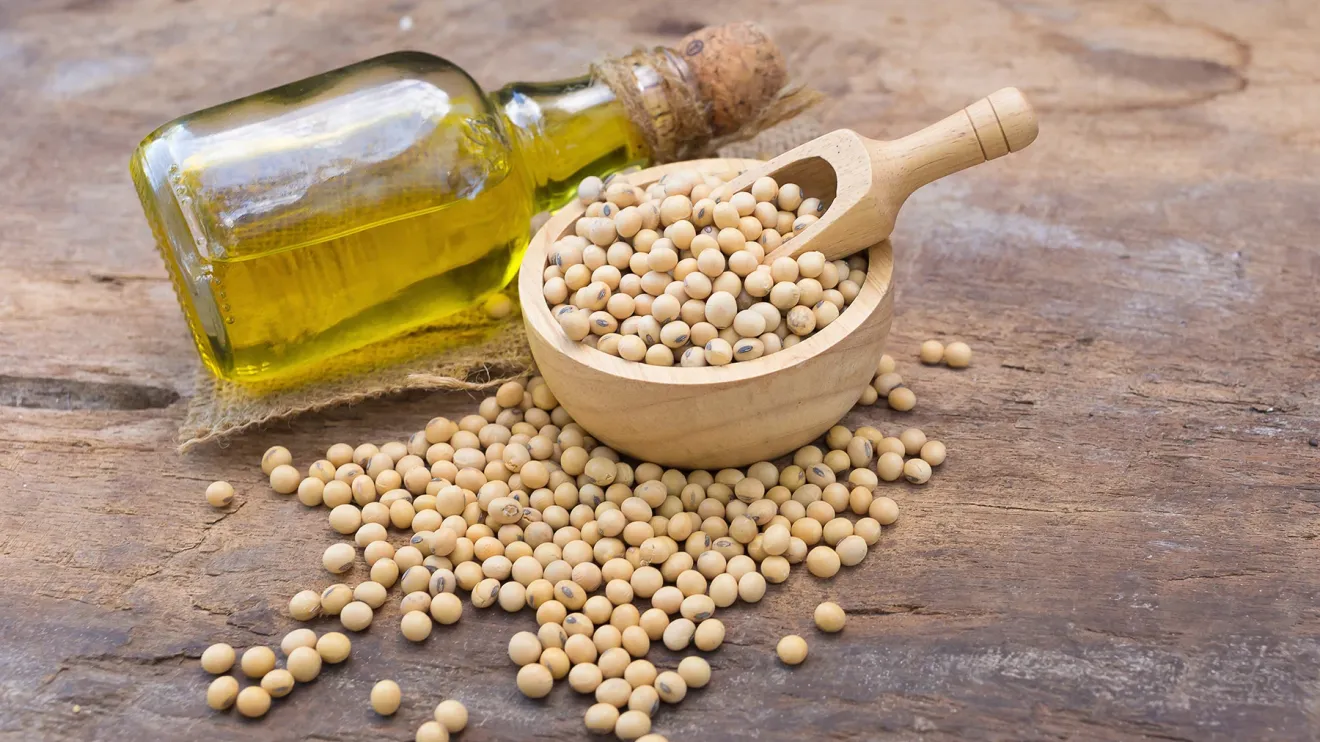
The main contributor to this surge was trade in processed vegetable oil. Soybean oil led the way, reaching 30.69 billion rupees in exports, accounting for more than half of all exports to India. Sunflower oil (2.13 billion rupees) and palm oil (1.73 billion rupees) also showed significant growth, despite their minimal exports last year.
This breakthrough was made possible by the duty-free trade regime within the South Asian Free Trade Area (SAFTA). While India imposes high tariffs on imported vegetable oils from other countries (up to 35.75% for refined oils), Nepalese goods enjoy preferential market access. This has created a unique business model: Nepal purchases crude oils from around the world, processes them locally, and then re-exports the finished product to India duty-free.
Despite the impressive figures, this model has a weakness. Experts note that the export boom is fueled by the difference in tariffs. Any significant tariff reduction by India on vegetable oils from third countries could immediately undermine Nepal’s competitiveness and wipe out up to 50% of its exports to India.
Statistics also document the growing dependence of the Nepalese economy on the Indian market. India’s share of Nepal’s total exports reached 81.23% in the quarter, while shipments to its northern neighbor, China, remained negligible—a mere 186.42 million rupees. This mono-dependency remains a source of serious concern for Nepalese politicians and economists, highlighting the need to diversify foreign trade relations.
Last financial year, Nepal’s soybean oil exports to India increased 90-fold thanks to a tariff-bypassing scheme, while sunflower oil exports increased 62-fold.
For almost 30 years of expertise in the agri markets, UkrAgroConsult has accumulated an extensive database, which became the basis of the platform AgriSupp.
It is a multi-functional online platform with market intelligence for grains and oilseeds that enables to get access to daily operational information on the Black Sea & Danube markets, analytical reports, historical data.
You are welcome to get a 7-day free demo access!!!
Read also
New Zealand grain and feed imports rise to 2.9 mln tons
Trump floats 200% tariffs on Ukraine and Russia to end the war
Wheat prices in Italy rise 24% and corn 17% amid Ukrainian grain export disruptions
China delays purchases of US soybeans
Plant protein processing offers promising opportunities for Ukraine-EU cooperation




Got additional questions?
We will be happy to assist!
Write to us
Our manager will contact you soon