

Europe shifts from subsidies to mandatory biomethane quotas
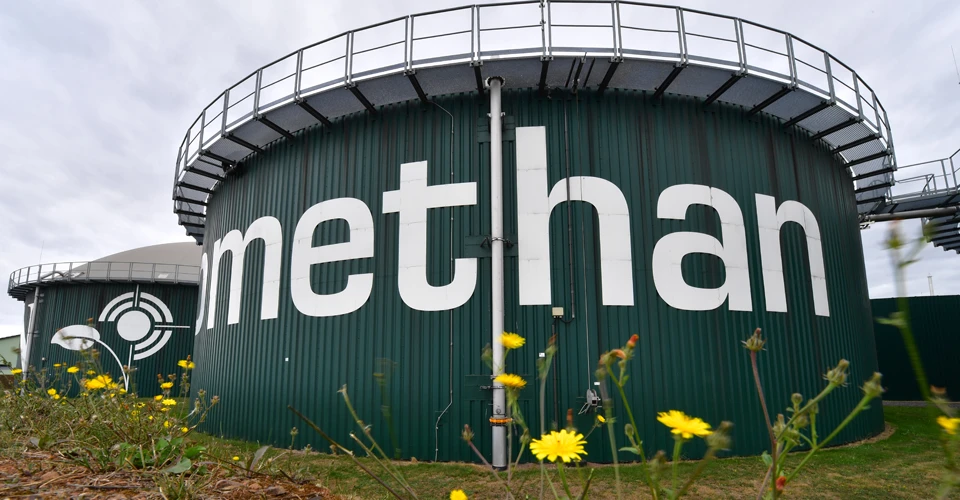
European countries are gradually moving away from direct state support for biomethane production toward mechanisms that create mandatory demand from suppliers and consumers. At the same time, market participants have to navigate differing national requirements for grid connection, certification and proof of sustainability.
In France, Europe’s largest biomethane producer, the role of regulated tariffs is gradually being reduced. For new projects, the country is shifting to the Biogas Production Certificates system, under which large gas suppliers must meet established biomethane obligations. The corresponding rate is around 0.41% in 2026, rising to 1.82% in 2027 and 4.15% in 2028.
Germany is also strengthening the role of mandatory quotas. Fossil fuel suppliers are required to reduce emissions by 12% in 2026, with the target gradually increasing to 65% by 2040. Biomethane is one of the available options for meeting these requirements.
Biomethane will also be used to meet new requirements in Germany’s heating sector. For new gas- and liquid-fuel heating systems, the minimum share of green gases is set at 10% from 2029, 30% from 2035 and 60% from 2040. At the same time, dedicated tenders for biomethane-based power generation are expected to be abolished.
The Netherlands is also preparing to introduce mandatory green gas use from 2027. The required emissions reduction is set to rise from 0.63 mln tons of CO₂ in 2027 to 2.85 mln tons in 2031. The new rules are also expected to allow imports of green gas from other EU countries, potentially supporting the development of cross-border biomethane trade.
Read also
Delayed wheat harvest leads to widespread rodent infestation in Russian fields
Larger US soybean crop fails to ease tight market balance
Ukraine holds talks with Poland and Moldova on relocating border checks to their t...
Syria orders agricultural bank to settle wheat payment arrears within 15–20 workin...
Palm oil prices rise amid strong Malaysian exports and higher soybean oil prices




Got additional questions?
We will be happy to assist!
Write to us
Our manager will contact you soon