

EU and world tighten pesticide restrictions and review regulations
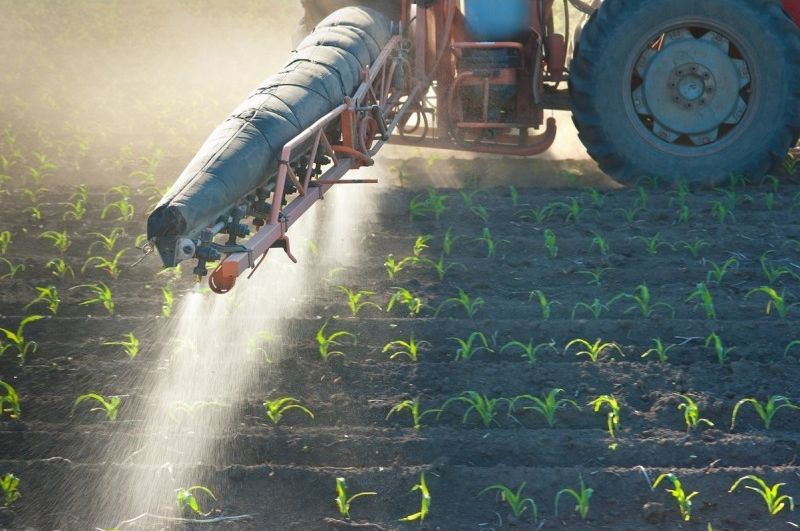
In Europe and other regions of the world, control over the use of agrochemicals and pesticides is being tightened. The PAN Europe movement reported that Romania has finally banned the use of neonicotinoid insecticides on agricultural crops, and has also abolished the possibility of granting exemptions for their use through a court decision. At the same time, Romania is proposing to exclude seed treatment with neonicotinoids from the EU regulation and take into account the socio-economic impact of the chemicals on agricultural production.
In parallel, the European Commission is reviewing the maximum permissible residue levels of dimoxystrobin, ethephon and propamocarb in food and feed. The restrictions are being tightened due to health and environmental risks: dimoxystrobin is no longer approved in the EU, ethephon is being restricted in apples and blueberries, and the permissible levels of propamocarb are being reduced in salad crops.
In the US, the Environmental Protection Agency (EPA) is introducing new restrictions on the use of dicamba in soybeans and cotton, halving the allowable application rate. The regulator is also considering the issue of a new herbicide, tetraflupyrolimet, which belongs to the “perpetual chemicals” and can accumulate in ecosystems and water.
In addition, civil society organizations in the US are opposing the expansion of the use of new chemical crop protection products due to potential risks to health and the environment. Similar concerns apply to organophosphate pesticides, which are currently undergoing a comprehensive risk assessment in Canada, taking into account their metabolites in food products.
China is also tightening control: a nationwide campaign has been launched against the illegal production and use of banned pesticides. Stricter supervision of crop treatments, testing of residues in products and increased penalties for violations are planned.
Experts note that the global trend is moving towards increased regulation of agrochemicals, which may affect crop growing technologies, the cost structure of farmers, and the availability of certain plant protection products on the global market.




Got additional questions?
We will be happy to assist!
Write to us
Our manager will contact you soon