

Ethiopia shows Africa can become more self-sufficient in wheat
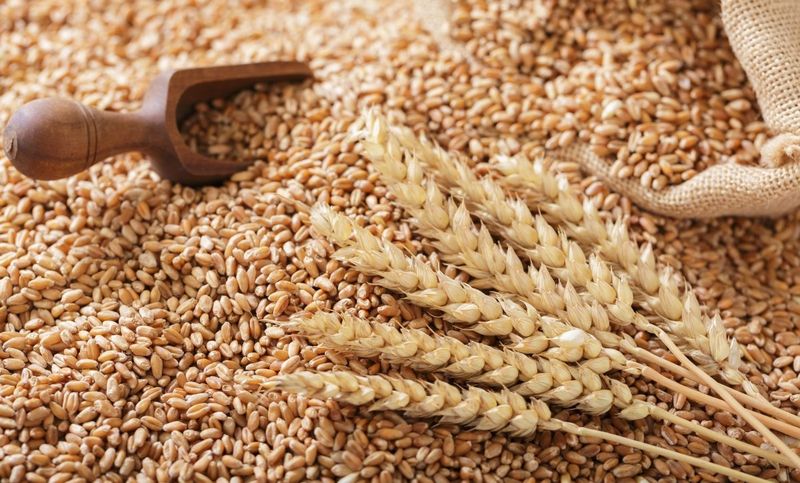
Ethiopia has moved from dependence on wheat imports to becoming one of Africa’s largest wheat producers, President Taye Atske-Selassie said during his address to the 81st United Nations General Assembly.
The expansion of wheat production has been supported by wider use of climate-resilient varieties and stronger domestic production capacity. According to the president, Ethiopia’s experience shows that African countries can significantly strengthen their own food security.
Ethiopian authorities view higher wheat production as a way to reduce reliance on external supplies amid growing risks to global food supply chains. This has become increasingly important as international trade disruptions and supply instability affect food availability.
The president said Africa’s agricultural potential can be unlocked through access to modern technologies, investment and climate-resilient production practices. Ethiopia aims to use these tools to further expand domestic food supplies.
At the UN General Assembly, Ethiopia’s experience was presented as an example of how African countries can gradually reduce dependence on grain imports and build more resilient food systems by expanding domestic production.
Read also
Rain delays corn harvesting in Ukraine, with drying costs potentially reaching $30/t
South American soybean oil exports exceed forecasts, with India remaining the larg...
Prolonged logistics restrictions in the Black Sea region could shift the global wh...
Saudi Arabia consolidates grain business to strengthen food security
Palm oil prices fall despite sharp rise in Malaysian exports




Got additional questions?
We will be happy to assist!
Write to us
Our manager will contact you soon