

Drones and AI will be used to forecast yields on oil palm plantations
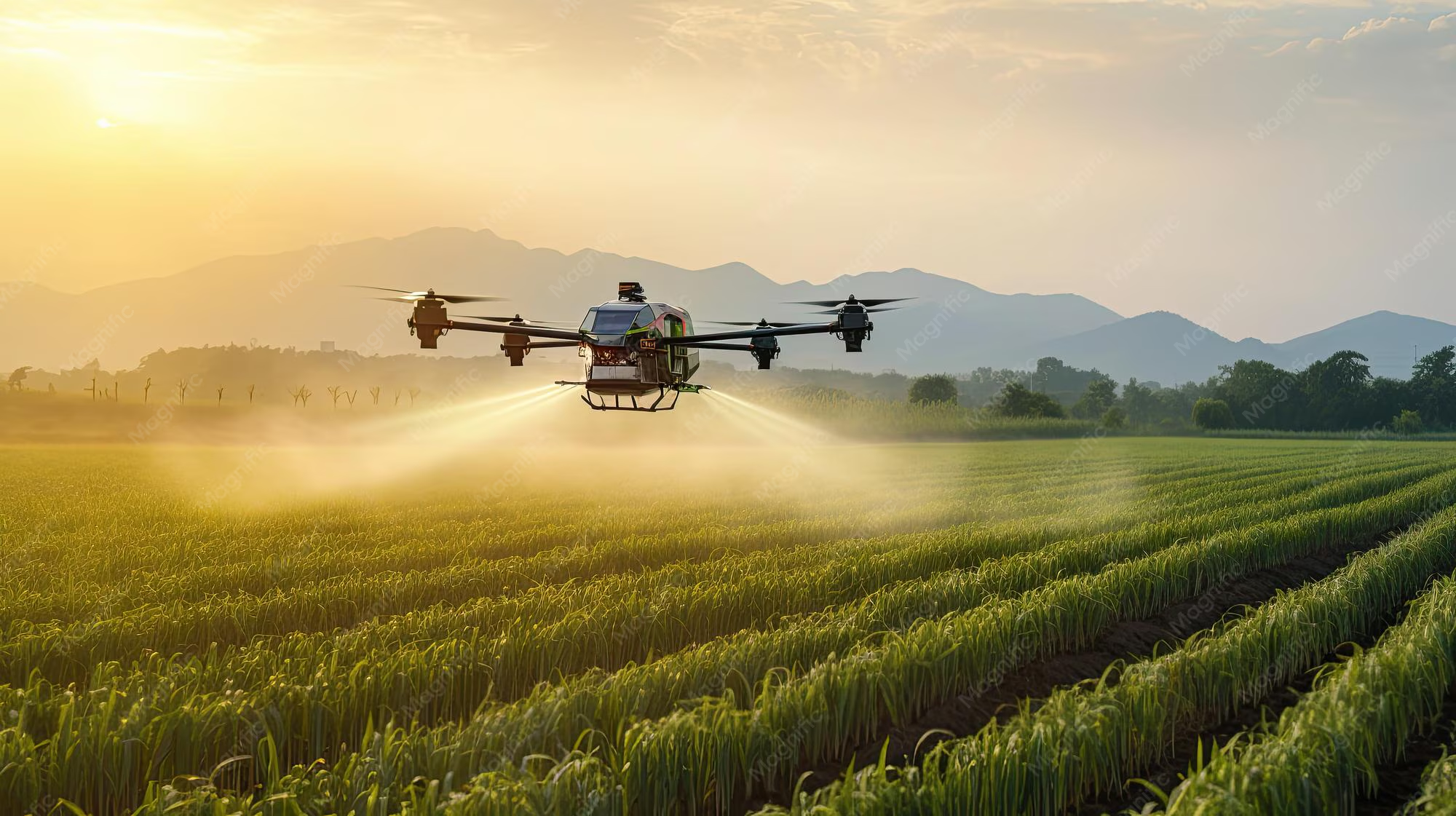
In Indonesia, Vision AI technology is being developed for the comprehensive monitoring of oil palm plantations — from growing seedlings to yield forecasting and quality control of harvested fruit. The system utilises machine learning and image analysis from cameras and drones, enabling the automation of some operations that traditionally require regular field inspections.
During the seedling-rearing stage, AI can analyse leaf colour, crown condition and plant structure, identifying deviations from normal development. Once the palms have been planted, the technology enables automated inventory of the plantations, identifying dead plants and unplanted areas. Data from the images can be integrated with geographic information systems (GIS) to identify specific areas requiring further inspection or replanting.
On productive plantations, Vision AI is set to be used to assess plant health and detect stress, weeds, pests and signs of disease. In particular, the system is potentially capable of recognising symptoms of basal stem rot — one of the most dangerous diseases affecting oil palms. At the same time, the developers emphasise that the AI’s results must be verified directly in the field.
One of the most promising areas is forecasting palm oil production. AI can analyse the number of fruit bunches and the harvest readiness index of the plantations, regularly updating estimates of the future harvest in line with the actual condition of the plantation. Such forecasts can be used to plan staffing levels, transport, harvesting schedules and the workload of processing plants.
Vision AI can also be used during the harvest and when receiving fresh fruit bunches for processing. The system is capable of distinguishing between unripe, ripe and overripe bunches, as well as identifying rotten and empty fruits. In the long term, the technology is set to integrate data from all stages of production into a single monitoring system, although final decisions will still require on-site checks and the involvement of specialists.
Read also
Russia forced to turn to grain storage bags, following Ukraine’s earlier exp...
Ukraine could increase its domestic soybean crushing share to 74%
Jordan makes no purchase in tender for 120 thsd tons of wheat
Drought cuts Germany’s grape harvest to 2010 levels
Malaysian palm oil rises to two-week high on El Niño supply risks




Got additional questions?
We will be happy to assist!
Write to us
Our manager will contact you soon