

Crude oil prices rise amid threats to supplies through the Strait of Hormuz
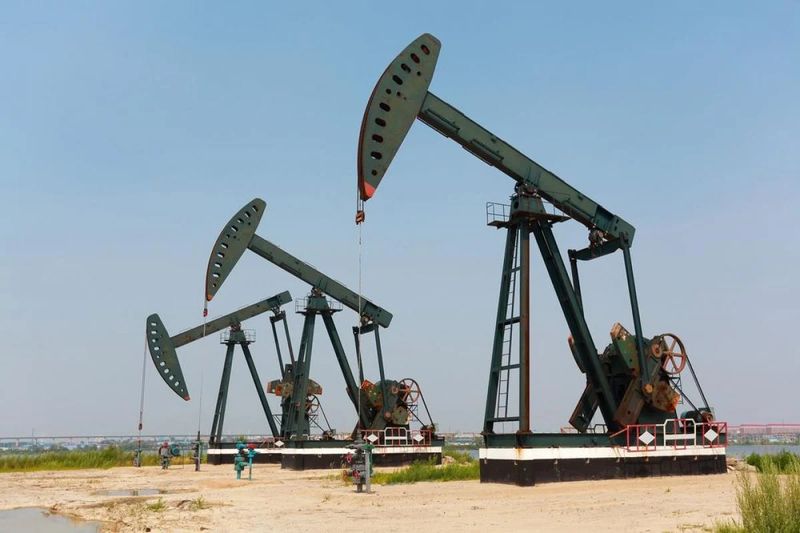
Global crude oil prices rose on Tuesday, October 20, approaching five-month highs amid escalating geopolitical tensions in the Middle East. Brent crude oil futures increased by $0.55, or 0.5%, to $110.10 per barrel. In the previous session, prices reached $110.70 per barrel, their highest level since May 20. Meanwhile, US West Texas Intermediate (WTI) crude oil futures for November delivery gained 0.24% to $103.91 per barrel. The main factor driving prices higher remains the risk of disruptions to energy supplies through the Strait of Hormuz.
Market concerns intensified following new reports of attacks on commercial vessels in the Persian Gulf. At least 18 tankers have been attacked over the past two weeks, maintaining a high geopolitical risk premium in crude oil prices. ING analysts noted that if crude oil shipments continued without disruption, the geopolitical risk premium could gradually decline. However, there are currently no signs of stabilization. Continued threats to shipping through the Strait of Hormuz pose risks to international energy flows and are keeping crude oil prices above $100 per barrel.
Renewed attacks by Yemen’s Houthis on Saudi Arabia’s energy and transport infrastructure have added to regional instability. On Monday, the group claimed strikes on a Saudi Aramco facility in Yanbu, the Shaybah oil field, King Khalid International Airport in Riyadh and an airport in Abha. The renewed attacks have heightened concerns over the security of crude oil production infrastructure and the uninterrupted export of energy supplies from the region. Escalating tensions are also increasing risks to maritime transportation and could lead to further increases in insurance and logistics costs.
High crude oil prices are creating additional risks for the global agricultural sector, primarily through potentially higher costs of diesel fuel, agricultural transportation and production inputs. Rising energy prices could increase the cost of transporting grains and oilseeds, particularly over long maritime routes. At the same time, instability in the Middle East is raising concerns about fertilizer supplies, as the region plays an important role in global energy markets and the supply of feedstocks used in fertilizer production. For farmers, this means a risk of further increases in production costs and declining profitability.
Future developments in the crude oil market will depend on security conditions in the Persian Gulf and the stability of shipping through the Strait of Hormuz. If attacks on tankers and energy infrastructure continue, the geopolitical risk premium could remain significant, supporting elevated crude oil prices. Meanwhile, the restoration of uninterrupted shipments could gradually ease price pressures. For global agricultural markets, the main consequences will be changes in fuel, ocean freight and fertilizer costs, which directly affect producers’ expenses and export competitiveness.
Read also
Malaysia boosts palm oil production despite labor shortages and weather risks
Ahlers – Logistics Partner of 4S BUSINESS SUMMIT
Brazil strengthens its competitive position in soybean and corn production as US m...
Excess imported beef weighs on US prices, while China supports demand for 2027
Record sunseed crop in Russia drives down seed, oil and meal prices




Got additional questions?
We will be happy to assist!
Write to us
Our manager will contact you soon