

Collapse of the Somali shilling drives sharp increase in basic food prices amid drought
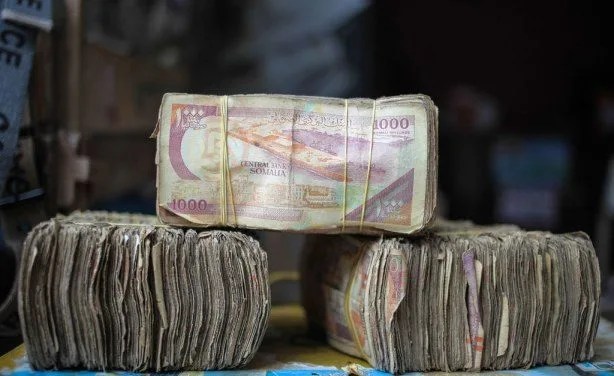
Somalia, which has already been suffering from years of severe drought and crop failures, is now facing an additional crisis — the effective collapse of its national currency. In many parts of the country, traders, transport operators, and farmers have stopped accepting the Somali shilling due to the poor condition of banknotes and growing distrust in the local currency. The situation has triggered a rapid increase in food prices and further disrupted agricultural trade.
The roots of Somalia’s currency crisis date back to 1991, when the government of Siad Barre collapsed, the central bank ceased functioning, and the country stopped printing new banknotes. Since then, old bills have remained in circulation, many of them torn, dirty, and heavily damaged. Recently, several traders in the capital Mogadishu refused to accept Somali shillings, and their decision quickly spread to shops, transport services, and farmers in other regions.
The crisis has hit small-scale farmers and vegetable vendors particularly hard. Agricultural producers are increasingly demanding payment in US dollars or through mobile money transfers, automatically raising the final cost of goods for consumers. Local traders say vegetables and staple foods had already become more expensive because of prolonged drought and poor harvests, while the currency crisis has accelerated inflation even further.
Among those affected is 39-year-old vegetable seller Asha Ali Ahmed, who continues to run the market stall she inherited from her mother in Mogadishu. She says she previously traveled to the farming region of Afgoye to purchase vegetables using Somali shillings before reselling them in the capital. However, farmers now refuse to accept the local currency and instead request payment through mobile transfers or in US dollars, increasing costs for both traders and consumers.
The situation is also worsened by Somalia’s heavy dependence on remittances from abroad. A large share of the population receives money transfers from relatives overseas, mostly in US dollars. As a result, the economy has become increasingly “dollarized,” while mobile payments have largely replaced cash transactions in shillings. For low-income households, this creates additional financial pressure, as digital payments and currency conversion make even everyday purchases more expensive.
At the same time, Somalia’s food security situation continues to deteriorate. According to the World Food Programme, nearly one-third of the country’s population — around 6.5 million people — is facing severe hunger due to drought, crop losses, and rising food prices. The situation is especially critical for children, with nearly 2 million children under the age of five suffering from acute malnutrition.
The Somali government has urged businesses and citizens to continue accepting the national currency and warned that refusing the shilling could be treated as a violation of the law. However, many residents doubt that the fragile state can effectively enforce such measures.
For almost 30 years of expertise in the agri markets, UkrAgroConsult has accumulated an extensive database, which became the basis of the platform AgriSupp.
It is a multi-functional online platform with market intelligence for grains and oilseeds that enables to get access to daily operational information on the Black Sea & Danube markets, analytical reports, historical data.
You are welcome to get a 7-day free demo access!!!
Read also
Coming Up in UkrAgroConsult Reports: Key Market Signals
Dragon Capital forecasts reopening of Black Sea grain corridor in 2027
Iran and Afghanistan are the only markets where Russian wheat has gained market share
USDA raises US corn production forecast
Global palm oil stocks to fall to lowest level since 2017/18 — USDA




Got additional questions?
We will be happy to assist!
Write to us
Our manager will contact you soon