

Closure of the Sea of Azov could increase Arab countries’ wheat import costs by $751 mln
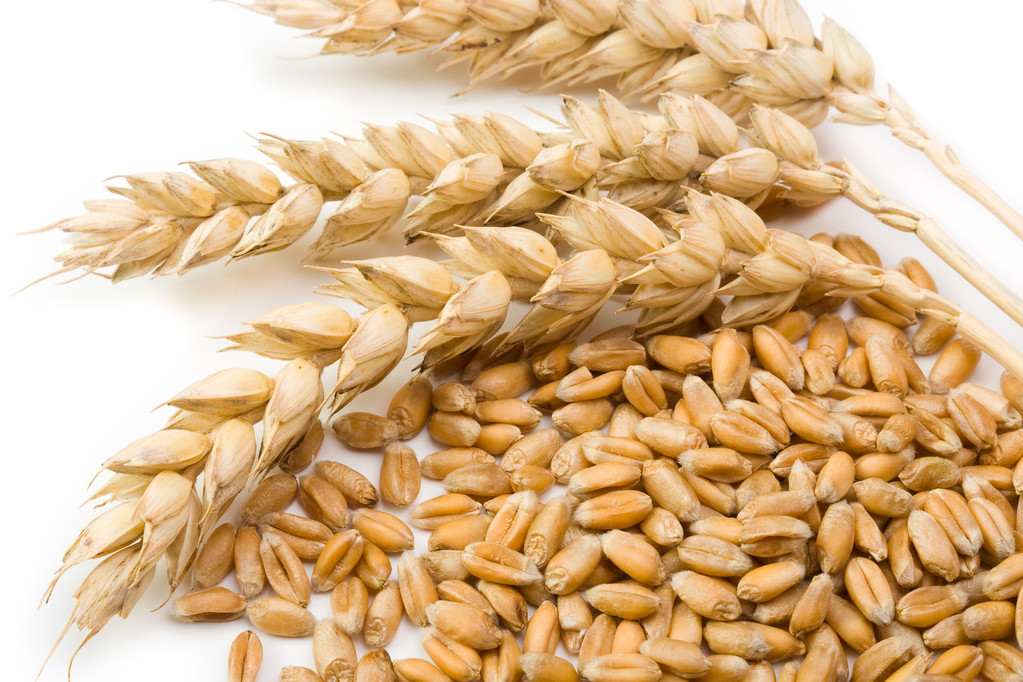
Temporary shipping restrictions in the Sea of Azov have already pushed wheat prices higher and could significantly increase import costs for the world’s largest Arab wheat buyers.
This was reported by the Lebanese newspaper An-Nahar.
According to the publication, about 11.9 mln tons of Russian wheat are shipped annually through the Sea of Azov region, accounting for nearly one-quarter of Russia’s projected wheat exports. Following reports of restrictions on vessel traffic through the Kerch Strait, Euronext wheat futures rose by around 4% to their highest level in six weeks.
An-Nahar estimates that a 10% increase in wheat import prices could add approximately $751 million to the combined annual import bill of Egypt, Algeria, Tunisia, Lebanon and Yemen. The calculation is based on a reference price of $260/t and assumes an increase of $26/t. It does not include higher freight rates, insurance costs or exchange rate fluctuations.
Egypt is expected to bear the largest additional cost, with wheat imports projected at 13.5 mln tons in the 2026/27 marketing year.
According to USDA forecasts, Algeria is expected to import 8.5 mln tons, Yemen 4.35 mln tons, and Tunisia 1.85 mln tons. Lebanon’s wheat imports in the 2025/26 marketing year are estimated at 680 thsd tons.
“The issue is not that these volumes will disappear entirely. Russia can redirect part of its exports through Novorossiysk and Baltic ports. The more immediate risk is that the Sea of Azov will shift from being a low-cost shipping route to a conflict zone: insurers will raise premiums, shipowners will avoid nearby ports, and deliveries will be delayed even before any actual grain shortage emerges,” said financial markets expert Amr Wahib.
No global wheat shortage is currently expected. World wheat production is forecast at around 820 mln tons in the 2026/27 marketing year, with ending stocks estimated at 272.8 mln tons. However, with this season’s crop expected to be smaller than last year’s, the market will be more sensitive to potential logistical disruptions.
According to An-Nahar, alternative wheat suppliers for Arab importers include Ukraine, Romania, Bulgaria, France, Argentina, Australia, Canada and the United States. Egypt has already purchased wheat from Ukraine, France and Romania. However, replacing Russian supplies quickly would be challenging because of differences in wheat quality, harvest timing, freight costs and tender requirements.
Read also
EU risks becoming dependent on China amid aviation fuel feedstock shortages
Ukraine to compensate shipowners for up to 80% of losses from Russian attacks
Soybean cultivation in Europe shifts north due to drought
Global beef production to decline by more than 3% for the first time in five years
Indonesia launches new palm oil export monitoring system




Got additional questions?
We will be happy to assist!
Write to us
Our manager will contact you soon