

China turns to high-protein corn as an alternative to imported soy
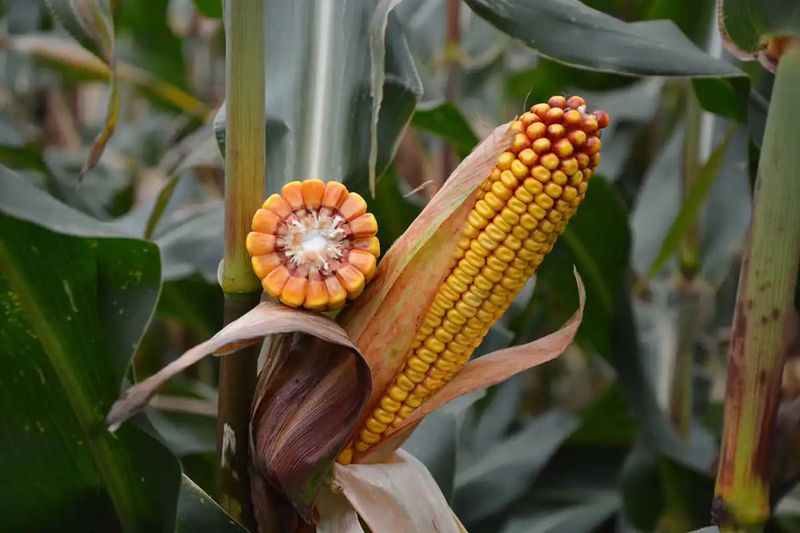
China is accelerating the development of high-protein corn, moving from laboratory research to practical cultivation. The project aims to reduce dependence on imported soy, which is the primary source of protein for the feed industry.
In Jilin Province, farmers have begun harvesting corn varieties that contain 3–4% more protein than standard types.
“This is our first year growing this corn. It looks ordinary, but the protein content is significantly higher,” said Qi Hongbo, head of an agricultural cooperative in Lishu County.
The project is led by Yan Jianbin, president of Huazhong Agricultural University. Research shows that increasing protein content in corn by 1% provides an additional 2.8 million tons of protein, equivalent to 7 million tons of soy. Raising the protein content from 8% to 12% could allow China to reduce soy imports by nearly 30 million tons annually — about one-third of current volumes.
Given that soy imports in 2024 reached 105 million tons, worth $52.7 billion, developing high-protein corn is a strategic step to strengthen food security, lower feed costs, and reduce risks amid global trade instability.
Read also
Record sunseed harvest in Russia threatens to drive down prices in Kazakhstan
Corn drying costs in Ukraine could exceed the value of the grain at current prices
Oilseeds remain the only profitable segment of crop production in Russia
Hungary will not oppose transit of Ukrainian grain to Europe — Magyar
Coming Up in UkrAgroConsult Reports: Key Market Signals




Got additional questions?
We will be happy to assist!
Write to us
Our manager will contact you soon