

Canada: Canola crush capacity use back to normal
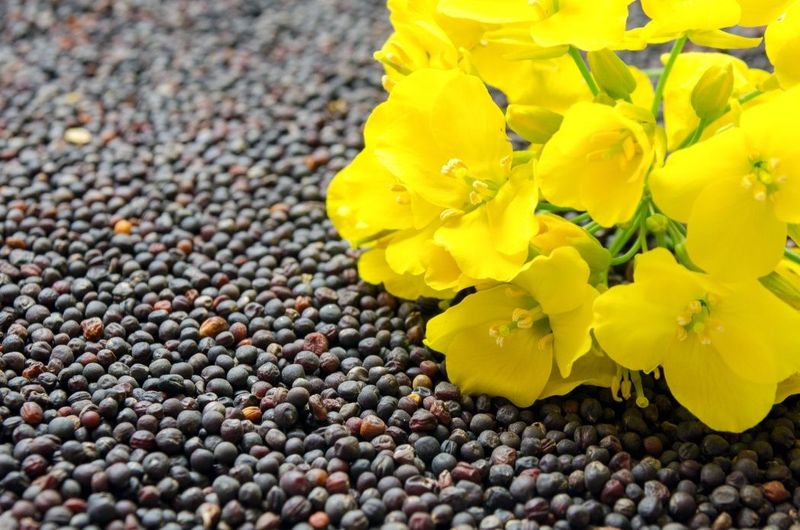
Canada’s canola crushers are weathering the storm, according to an organization that represents them.
“The canola crush industry is hanging in there,” Chris Vervaet, executive director of the Canadian Oilseed Processors Association (COPA), told delegates attending Canola Week 2025.
However, he quickly added a caveat.
“I don’t want to give anybody the impression that we’ve had a terrific year on canola crush. We’ve had some real challenges.”
Why it Matters: Domestic crush has become more important than exports.
Those challenges include a 100 per cent tariff on Canadian canola oil and meal implemented by China on March 20, 2025.
China doesn’t buy much oil, but it was Canada’s second largest market for meal behind the United States, consuming two million tonnes of the product in 2024.
Canada’s canola crush capacity utilization fell as low as 65 per cent following China’s announcement, but it has bounced back in the second half of 2025 and is now hovering around 90 per cent, which is about normal.
That is a good thing because crush capacity is set to expand in 2026. There will be 15 facilities with a combined capacity of 15 million tonnes by the end of the year, up from 14 facilities and 13 million tonnes today.
“All of that (expansion) is being driven primarily through the increased demand for biofuels,” said Vervaet.
The biofuel sectors in the U.S., Canada and the European Union consumed slightly more than six million tonnes of Canadian canola in 2024, up from about two million tonnes in 2022.
Volumes are expected to drop to slightly more than five million tonnes in 2025, with the U.S. buying a lot less and the EU purchasing a lot more.
The Canadian market is also “picking up speed,” thanks to the Clean Fuel Regulations.
Vervaet said the road ahead looks bright, but there are some speed bumps.
The biggest one is all the imported used cooking oil (UCO) and tallow that is stealing market share away from agricultural feedstocks such sa canola and soybeans.
North America imported three million tonnes of the waste feedstocks in 2024. They have low carbon intensity scores, so they earn more incentives than oilseeds.
Those incentives provide a “natural incentive” for fraudulent behavior. There is a strong suspicion that palm oil, which has a poor carbon intensity score, is being blended with UCO.
There is currently no way to test the imported UCO to see if that is the case.
Vervaet said waste feedstocks account for half of Canada’s biodiesel and renewable diesel production, while canola oil makes up about one-quarter.
“To see that our lunch is being eaten by imported feedstock is extremely frustrating to us and something that needs to be addressed,” he said.
It is the same scenario in the U.S., where waste feedstocks account for 40 to 50 per cent of the market.
He thinks that is outrageous, given that biofuel policies were largely created to help farmers find a new home for their crops.
COPA feels the way to address the issue is to develop a “ring fence” approach to North American biofuel policies. Those policies would favour feedstocks sourced from Canada, the U.S. and Mexico.
The policies would not exclude imported feedstocks, but they would give preferential treatment to crops such as canola and soybeans.
That would give North American farmers a hedge against the fickle policies of importers such as China.
“We need to design smart policy to address some of these risks,” said Vervaet.
Further development of the grain and oilseed markets of Ukraine and the Black Sea region will be in the spotlight of the BLACK SEA GRAIN. KYIV conference, taking place on April 22–23 in Kyiv. The event will focus on strategic directions for the agricultural sector through 2030, including investments, energy independence, processing, and exports of high-value products.
Join strategic discussions and networking with industry leaders to gain актуальна insights, discover new business opportunities, and build partnerships with key market players.
Read also
Black Sea & Danube: Crop and Export Forecast
Rapid exports of Ukrainian flour to China unlikely despite market opening
Soybean harvest begins in Argentina
Ukraine, Syria and Turkey discuss logistical routes bypassing the Strait of Hormuz
Brazil ships first DDG batch to China, opening new feed market




Got additional questions?
We will be happy to assist!
Write to us
Our manager will contact you soon