

Can India Change the Direction of Global Vegetable Oil Markets
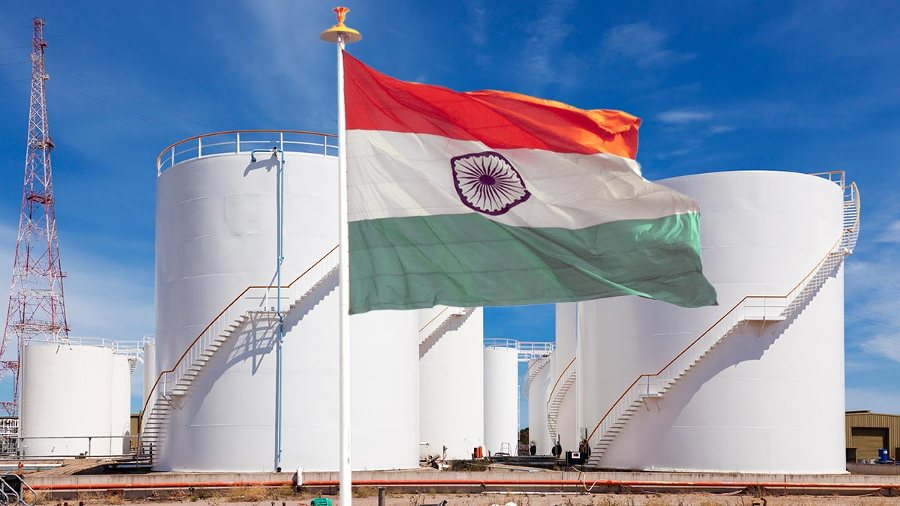
India will remain the world’s largest vegetable oil importer in 2026/27 and continues to play a decisive role in shaping global trade flows. According to UkrAgroConsult, the country remains one of the key demand centers for palm, soybean and sunflower oils, making its policy decisions highly important for exporters and processors worldwide.
Total vegetable oil imports are expected to remain close to 17 M mt, representing around 20% of global trade in major vegetable oils. Despite strong imports, India has accumulated stocks exceeding 2 M mt, creating uncertainty regarding future purchasing activity and price direction.
The structure of imports continues to be dominated by palm oil, while soybean and sunflower oils maintain important positions. The market remains highly sensitive to relative price changes, allowing buyers to rapidly switch between oils and suppliers depending on competitiveness.
An additional trend highlighted by UkrAgroConsult is the growing role of Nepal in the regional vegetable oil trade. Preferential access to the Indian market has allowed Nepal to expand exports significantly, creating new competitive dynamics inside the refined oil segment.
Market attention is also focused on discussions regarding potential import duty increases. While such measures may temporarily influence demand, broader drivers including geopolitical risks, biodiesel expansion and supply uncertainty remain more important for long-term price formation.
Import dynamics underline the steady expansion of India’s role in global vegetable oil trade over the last decade. The market structure remains heavily concentrated in palm oil, while soybean and sunflower oils continue to hold substantial shares. Stock accumulation, monthly import flows and changing supplier positions highlight the balance between domestic demand, trade policy and international supply availability. Price relationships between major vegetable oils emphasize the growing influence of geopolitical risks and biofuel demand on market behavior.
Key Trends
- India is expected to remain the world’s largest vegetable oil importer and continue influencing global trade and pricing trends.
- Large stocks combined with strong imports create uncertainty regarding the pace of future purchases and short-term market direction.
- Price sensitivity remains exceptionally high, allowing rapid substitution between palm, soybean and sunflower oils depending on competitiveness.
- Nepal is steadily increasing its presence in India’s refined oil market and may gradually reshape regional trade flows.
- Potential import duty changes remain important, although geopolitical developments and biodiesel demand continue to dominate long-term market sentiment.
Would you like to receive the full analytical report with all insights and data? Please complete the form to gain access to the material. The full version will be sent to your email.
Full version of the article is available to subscribers ‘BLACK SEA & DANUBE GRAIN REPORT’ and ‘BLACK SEA & DANUBE OILSEED REPORT’. You may request a sample report and apply for subscription. Be confident with your business strategy based on professional analysis and forecasts of the Black Sea & Danube agri market!
Read also
Floods destroy more than 80% of Crete’s potato crop
Sweet pepper supply in Europe remains tight due to heat and a late Spanish season
Jordan makes no purchase in 120 thsd ton barley tender
Nepalese processors seek lower sunflower oil duty after India cuts tariffs
Rising global grain prices push Vietnam feed costs higher for second time in a month




Got additional questions?
We will be happy to assist!
Write to us
Our manager will contact you soon