

Brazil to increase corn production to 148 mln tons amid growing bioethanol demand — Conab
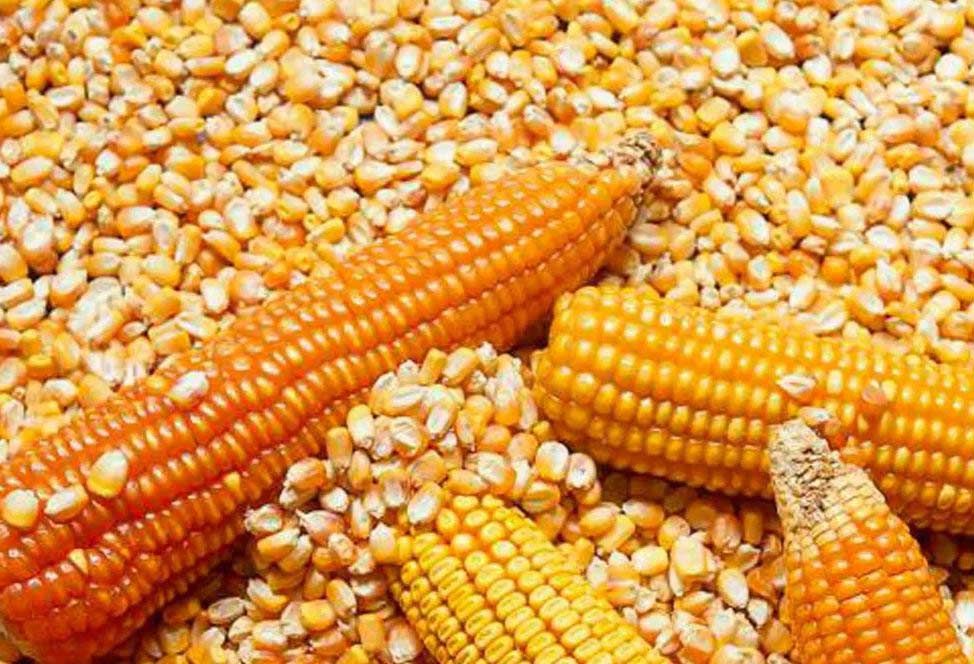
Brazil’s corn production could increase by 2.4% year-on-year in the MY 2026/27 to 148 mln tons. According to Brazil’s National Supply Company (Conab), total corn acreage is expected to expand by 4.9% to 23.7 mln ha. One of the main drivers of production growth is increasing domestic demand for corn from the bioethanol industry, which is encouraging farmers to expand plantings.
The largest acreage expansion is expected for first-crop corn, with plantings projected to increase by 10.7% to 4.54 mln ha. First-crop production is forecast at 32.1 mln tons. However, the bulk of Brazilian corn production traditionally comes from the second crop, which is planted after the soybean harvest. According to Conab, second-crop production is expected to reach 113.3 mln tons from 18.5 mln ha. Third-crop corn production is projected at 2.7 mln tons.
First-crop corn planting is already well underway in Brazil. As of October 2, farmers had planted 30.8% of the planned area. The fastest progress was recorded in Rio Grande do Sul, where planting had been completed on 78% of the area. In Paraná, the figure reached 72%, while Santa Catarina reported 65%. Acreage expansion in several regions is linked to growing demand from corn ethanol producers.
Meanwhile, further crop prospects will depend on weather conditions and the phytosanitary status of fields. In Rio Grande do Sul, Conab has highlighted the need to monitor corn leafhoppers and stink bugs, while also reporting isolated cases of caterpillar damage. In Santa Catarina, initial crop conditions have been assessed as favorable. At the same time, the projected 4.9% increase in total acreage, compared with production growth of just 2.4%, indicates a slight expected decline in average corn yields.
The increase in corn production to 148 mln tons will strengthen Brazil’s feedstock supply for the development of its bioethanol industry and help meet domestic feed demand. However, the country’s heavy reliance on safrinha, which is expected to account for more than 76% of total production, means that weather risks remain significant for the agricultural sector. Final season results will depend on growing conditions and second-crop yields. These factors will also determine the volume of corn available for export and Brazil’s position in the global grain market.
Read also
Ukraine deposits 773 seed samples in the Svalbard Global Seed Vault in Norway
Wheat, corn and soybean prices fall in Chicago on Thursday
EU approves acquisition of Polish grain terminal by Bunge and CM
Ukraine considers establishing an agricultural hub in Egypt to expand agricultural...
Middle East crisis reshapes marine fuel market and drives up shipping costs




Got additional questions?
We will be happy to assist!
Write to us
Our manager will contact you soon