

Biomass pellet prices in Germany rise for second consecutive month amid tighter raw material supplies
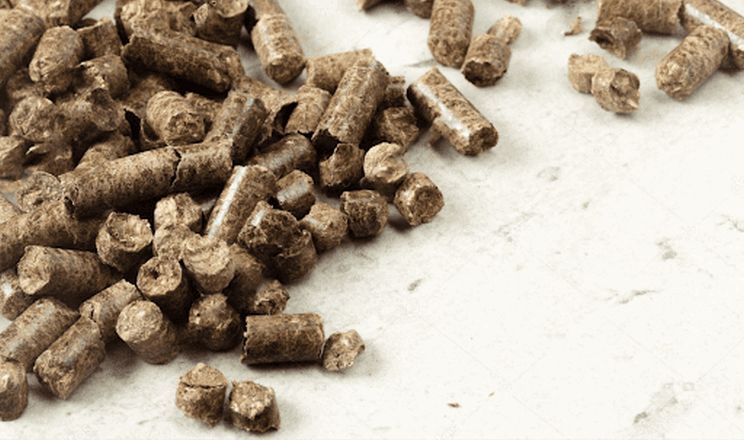
Wood pellet prices in Germany have continued to rise for the second consecutive month amid limited supplies of wood raw materials. According to the German Pellet Institute (Deutsches Pelletinstitut, DEPI), the average price of ENplus A1 pellets for six-ton deliveries increased by 2.3% in October 2026 to €464.61/t, compared with €454.21/t in September. This was the highest level since the beginning of the year. However, the pace of price growth slowed compared with September, when prices surged by 6.2%.
The main driver of the price increase was a reduction in the availability of sawmill by-products, which are key raw materials for pellet production. Weak demand for sawn timber has prompted some German sawmills to reduce output, resulting in lower supplies of sawdust and other wood residues. As a result, pellet producers are facing tighter raw material availability, supporting the upward price trend.
Since mid-year, wood pellet prices in Germany have increased by more than 23%. The average price rose from €376.77/t in June to €464.61/t in October, an increase of almost €88/t over four months. For larger deliveries of 26 tons, the average price in October stood at €448.45/t. Both benchmarks include VAT and delivery within a 50 km radius, reflecting the actual cost of fuel for consumers.
Pellet prices vary slightly across Germany’s regions. The lowest average price for six-ton deliveries was recorded in central Germany at €462.84/t. Prices reached €464.93/t in northern and eastern Germany and €466.81/t in the south. For larger 26-ton deliveries, the lowest prices were observed in northern and eastern Germany at €442.83/t, while prices in the south reached €451.23/t.
Despite the significant increase in wood pellet prices, DEPI estimates that this type of biofuel remains a more cost-effective heating option than heating oil and natural gas under its October comparison assumptions. Meanwhile, future price developments will depend on conditions in the wood-processing industry and the availability of raw materials for pellet production. Continued low levels of sawn timber output could further constrain wood residue supplies and support elevated biofuel prices.
Read also
One of the world’s largest green ammonia plants secures financing
Global potato market expects price recovery amid declining production
Grain Exports Under Pressure: Freight, War Insurance and the Danube Bottleneck
Soybean oil prices decline while Indian demand supports sunflower oil market
Jordan announces tender to purchase 120 thsd tons of wheat




Got additional questions?
We will be happy to assist!
Write to us
Our manager will contact you soon