

Australia to maintain large cattle herd in 2027 despite record slaughter levels
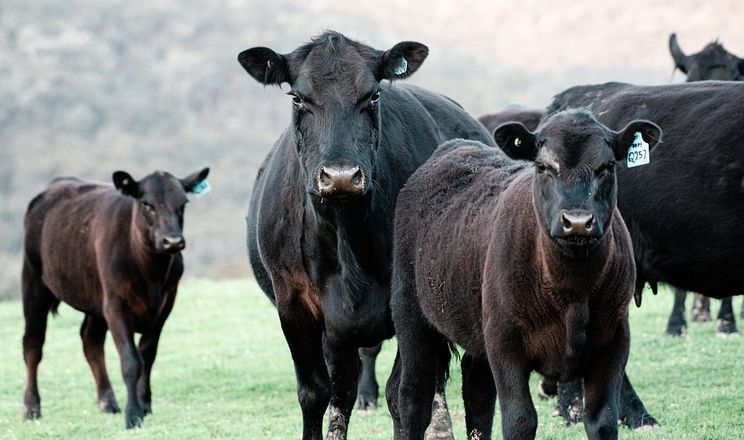
Australia’s cattle industry continues to demonstrate high productivity, allowing producers to maintain herd numbers despite elevated slaughter rates. According to the US Department of Agriculture’s Foreign Agricultural Service (USDA FAS), the country’s calf crop is forecast at around 10.4 mln head in 2027, compared with 10.45 mln head in 2026. Australia’s total cattle herd is currently estimated at approximately 29 mln head, with no significant contraction expected next year.
One of the main factors supporting the industry’s resilience is improved reproductive efficiency. Traditionally, a female slaughter rate exceeding 47% was considered an indicator of herd contraction. However, this measure has become less reliable in recent years. Improved reproductive performance means producers need to retain fewer replacement heifers to maintain breeding herd numbers. As a result, a higher proportion of females can be slaughtered without triggering the herd contraction typically observed in previous cattle production cycles.
Favourable weather conditions and adequate feed availability have also played an important role. Between January and August 2026, rainfall exceeded average levels across large parts of inland and northern Australia, supporting pasture growth. This is particularly important in northern regions, where the country’s largest cattle populations are concentrated and pasture productivity depends primarily on summer rainfall. Meanwhile, weather conditions in southern regions remain less stable.
Further productivity gains are being driven by genetic improvements, including the increasing use of Wagyu and Wagyu-cross cattle, as well as greater adoption of genetic selection tools to identify animals with superior reproductive performance. Australian farmers are also improving feeding practices, pasture management, veterinary care and breeding techniques. These developments are increasing the proportion of cows that successfully produce and rear calves, helping sustain production even during periods of high slaughter activity.
According to USDA FAS estimates, Australia’s calf crop reached approximately 10.5 mln head in 2025 and is projected at 10.45 mln head in 2026 and 10.4 mln head in 2027. Calf production is therefore expected to remain broadly stable over the three-year period. Analysts forecast only a modest decline in beef cow numbers in 2027, while cattle availability for slaughter is expected to remain high. However, the industry’s continued stability will depend on weather conditions and pasture feed availability.
Read also
Wheat rises, corn trades mixed and soybeans fall in Chicago on Tuesday
From EU to Central Asia – Where Can the First Alternative Logistics Corridor...
Peru cuts blueberry export forecast by 21% despite 17% expansion in growing area
Palm oil prices continue to fall amid record Malaysian stocks and declining crude ...
Shifting shipping routes push Singapore’s marine fuel sales to 2026 high




Got additional questions?
We will be happy to assist!
Write to us
Our manager will contact you soon