

Amsterdam bans meat and petrol car advertising
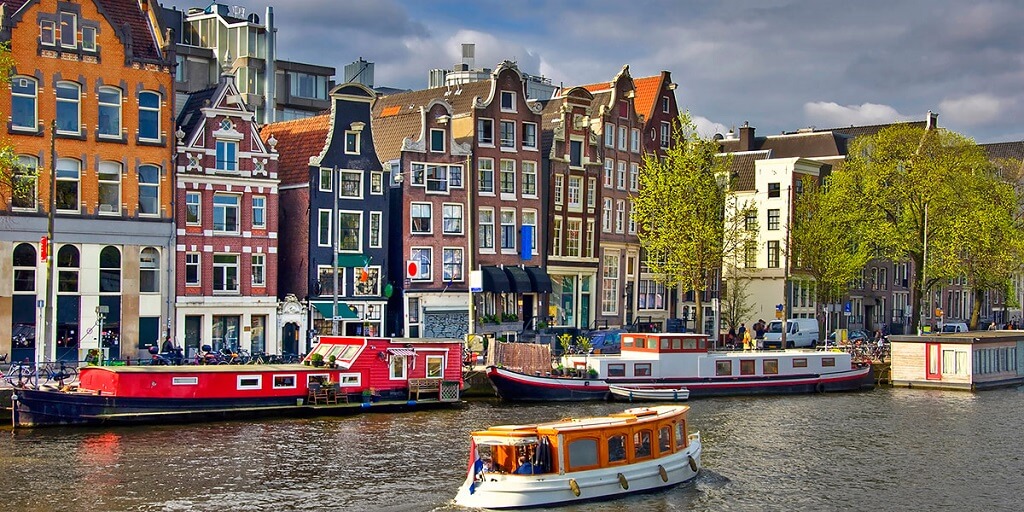
Amsterdam, the Netherlands, has become the first capital city in the world to ban public advertising of meat and fossil fuel products.
From May 1, advertisements for burgers, petrol cars and airlines will be removed from billboards, tram stops and metro stations.
City politicians say the move is aimed at bringing Amsterdam’s streetscape into line with the local government’s environmental goals.
This should help Amsterdam become a carbon-neutral capital by 2050 and help local residents halve their meat consumption over the same period.
In addition, the city government notes, removing such “constant visual nudges” reduces impulse purchases and signals that cheap meat and fossil-fuel-heavy travel are no longer desirable lifestyle choices.
Meat was a relatively small part of Amsterdam’s outdoor advertising market, accounting for around 0.1% of advertising spend, compared to around 4% for fossil-based products. Instead, advertising was dominated by clothing brands, film posters and mobile phones.
Bans in other cities
The Dutch city of Haarlem in 2022 became the first city in the world to announce a complete ban on most types of meat advertising in public spaces. This came into effect in 2024, along with a ban on fossil fuel advertising.
Utrecht and Nijmegen have also introduced their own measures that explicitly restrict meat advertising (and in Nijmegen’s case, dairy products) on municipal billboards, in addition to existing bans on advertising for fossil fuels, petrol cars and aircraft.
In addition, dozens of cities around the world have banned or plan to ban fossil fuel advertising. Such as Edinburgh (Scotland), Sheffield (England), Stockholm (Sweden) and Florence (Italy). France has a nationwide ban.
Climate action in the EU
Earlier this March, it was reported that the European Union was considering energy taxes, network charges and carbon pricing as possible areas for short-term measures to ease the pressure on industries affected by high energy prices.
As reported, in November 2025, the EU relaxed the requirements for industrial enterprises in the agreement on reducing emissions by 2040.
Thus, EU climate ministers approved a compromise to reduce emissions by 90% by 2040 compared to 1990 levels, but with flexible conditions for relaxing this target.
The relaxation of the target will allow countries to buy foreign carbon credits to cover up to 5% of the 90% emissions reduction target. This would effectively reduce the emissions reductions required from European industries by up to 85%, with Europe making up the rest by paying other countries to reduce emissions on their behalf.




Got additional questions?
We will be happy to assist!
Write to us
Our manager will contact you soon