

Afghanistan becomes global leader in drug production thanks to ephedra shrub
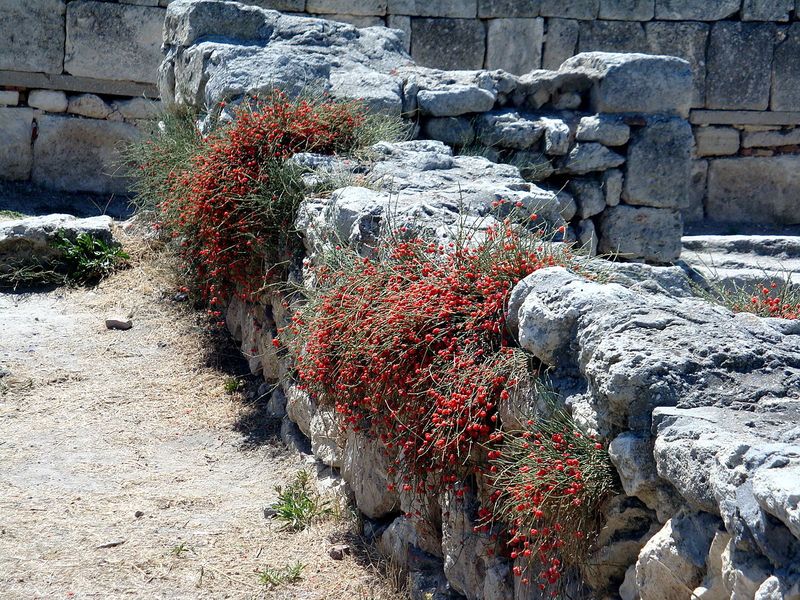
Under Taliban rule, Afghanistan is emerging as a global hub for methamphetamine production. The regime is organizing large-scale drug manufacturing and transporting it to Central Asia, Pakistan, and Russia, according to international reports.
In 2023, the UN Office on Drugs and Crime already warned that Afghanistan was on the verge of becoming a new global methamphetamine producer. Afghan methamphetamine has been detected in distant regions such as the EU, Southeast Asia, and East Africa.
The International Narcotics Control Board notes that the rapid growth of meth production in Afghanistan poses serious challenges for neighboring countries. With no developed pharmaceutical industry, drug producers rely on unconventional methods.
A key resource is the ephedra shrub—a medicinal plant that grows across the country. It is processed to extract ephedrine, which is then used to synthesize methamphetamine. Producers began experimenting with this method in 2015, and within a few years, ephedra became the primary source for Afghan meth production.
The price and profitability of Afghan meth are remarkable: at equal quality, it is ten times cheaper than Southeast Asian equivalents. In 2021 alone, methamphetamine turnover in the Bakwa district reached $240 million. After the heroin market collapsed, the Taliban turned to a faster and more profitable option, following the example of Syria, where fentanyl production generated huge revenues of the Assad regime.
Read also
Egypt plans to raise domestic wheat procurement prices
Tunisia purchases 26.5 thsd tons of feed corn in tender
Palm oil prices rise on strong Malaysian exports and higher crude oil prices
Coming Up in UkrAgroConsult Reports: Key Market Signals
India may increase edible oil imports to 17 mln tons in MY 2026/27




Got additional questions?
We will be happy to assist!
Write to us
Our manager will contact you soon