

Winter wheat grown without herbicides showed comparable yields, according to a study
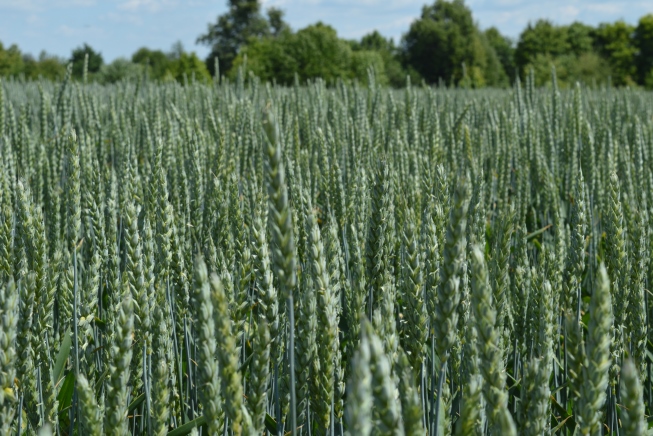
Growing winter wheat without herbicides does not necessarily result in lower yields. Field research by Switzerland’s Agroscope found that under integrated weed management, wheat yields without herbicide use were comparable to those in fields where herbicides were applied.
The study was conducted from 2020 to 2023 across 94 winter wheat fields throughout Switzerland under real farming conditions. Weed pressure remained low on most herbicide-free fields, while weed biomass exceeded critical levels only in a small number of cases.
Instead of chemical weed control, farmers combined several agronomic practices, including adjustments to sowing dates and crop density, mechanical soil cultivation and other preventive measures. Researchers stressed that combining several weed-control methods, rather than relying on a single practice, was key to achieving stable results.
However, mechanical weed control also has disadvantages. Additional machinery passes increase labor and fuel requirements, while excessive mechanical cultivation can damage wheat plants and adversely affect soil structure. The approach therefore requires careful planning and adaptation to individual field conditions.
The researchers concluded that winter wheat can be grown without herbicides without significant yield losses when weed management is based on a combination of agronomic measures. However, the economic viability of such systems depends on additional production costs and available support mechanisms for farmers.
Read also
Biomass pellet prices in Germany rise for second consecutive month amid tighter ra...
One of the world’s largest green ammonia plants secures financing
Global potato market expects price recovery amid declining production
Grain Exports Under Pressure: Freight, War Insurance and the Danube Bottleneck
Soybean oil prices decline while Indian demand supports sunflower oil market




Got additional questions?
We will be happy to assist!
Write to us
Our manager will contact you soon