

Chicago corn prices fall to lowest level since July ahead of USDA report
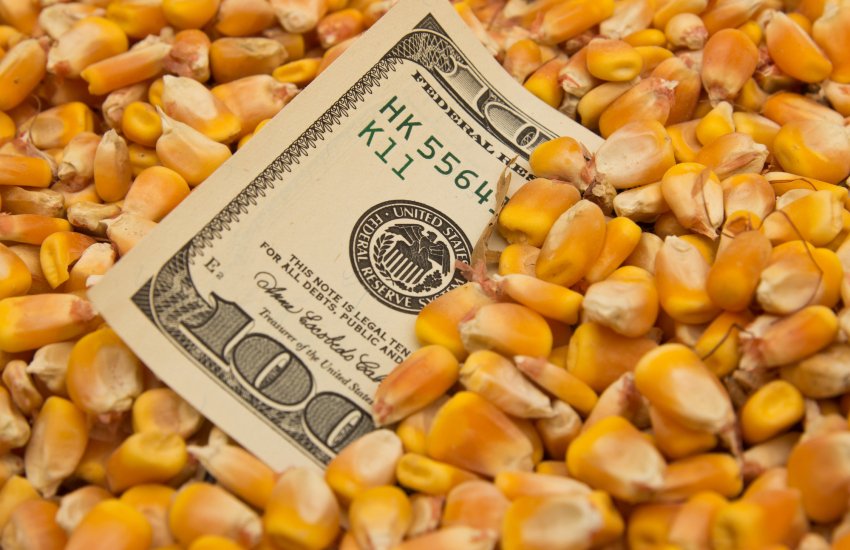
Corn futures on the Chicago Board of Trade (CBOT) fell to their lowest level since July 1 on November 9, 2026, amid expectations of an increase in global grain stocks. Ahead of the USDA’s monthly World Agricultural Supply and Demand Estimates (WASDE) report, futures declined by as much as 0.8% to $4.38 per bushel. Prices subsequently recovered part of their losses, but the market remained under pressure from prospects of growing global corn supplies.
According to a Bloomberg survey of analysts, the USDA may raise its estimates of corn stocks in South American countries, offsetting an expected slight reduction in its US production forecast. Increased supplies on the international market are intensifying competition among exporters and limiting the potential for price gains. Meanwhile, traders remain cautious ahead of the release of official data, as recent USDA reports have repeatedly differed from market expectations.
Additional pressure on prices comes from seasonal arrivals of newly harvested corn in the United States, the world’s largest producer of the crop. According to preliminary analyst estimates, US farmers had completed harvesting approximately 84% of corn acreage by early November. Active harvesting is increasing domestic grain availability, while investment funds have recently shifted to net short positions in corn futures, indicating that bearish expectations are prevailing in the market.
Soybean futures also weakened after earlier gains. Investors expect the USDA may raise its forecast for the US soybean harvest, which is already estimated at a record level. Market participants expect the US soybean harvest to be approximately 94% complete. During trading on November 9, soybean futures declined by 0.4% to $11.8875 per bushel, while wheat fell by 0.4% to $5.89 per bushel.
As of 12:55 p.m. Chicago time, corn futures were trading at $4.395 per bushel, down 0.5% on the day. Further developments in the grain market will depend on updated USDA estimates for corn production, consumption and ending stocks in the United States and other major countries. If forecasts of higher global inventories are confirmed, this could put additional pressure on futures prices, while lower-than-expected production estimates could support a short-term recovery.
Read also
Colombia boosts dairy exports while beef shipments fall 42%
Kenya boosts potato exports by 64% despite certified seed shortages
Low river levels in Brazil reduce grain barge loads while road freight rates decline
Malaysia’s palm oil stocks reach record 3.62 mln tons in October
Romanian wheat prices switched to a free fall




Got additional questions?
We will be happy to assist!
Write to us
Our manager will contact you soon