

Winter crops in southern Ukraine are ahead of average development pace despite cold weather
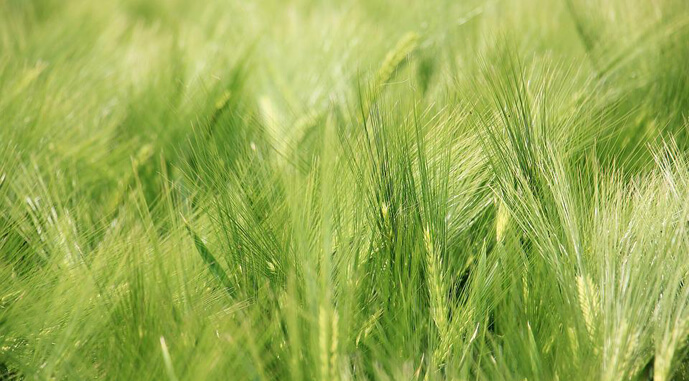
The growth and development of agricultural crops in May 2026 took place under conditions of sufficient soil moisture across most areas and a shortage of effective heat.
This was reported by the Ukrainian Hydrometeorological Center.
According to specialists, the final month of spring was characterized by moderate temperatures, periods of cold weather with frosts, and frequent rainfall in many regions. Significant fluctuations in average daily air temperatures were observed, ranging from typical May levels to considerably lower and occasionally higher values. As a result of these variations, average temperatures in most regions remained close to the long-term norm.
“On May 3–5 across almost the entire country, one and a half to two weeks earlier than the long-term average dates, and on May 16–20 in some northern, western, and southern regions, close to the long-term average timing, the average daily air temperature crossed the +15°C threshold, marking the beginning of the meteorological summer,” the agency stated.
Agrometeorologists believe that the cool weather was generally favorable for the vegetation of winter and early spring cereal crops. Despite temperatures that were often cool and sometimes unusually cold for May, winter wheat in southern regions reached the milk ripening stage 1.5–2 weeks earlier than usual, while spring barley began heading 1–2 weeks ahead of the long-term average schedule.
At the same time, the lower-than-normal temperatures were unfavorable for the emergence and early development of heat-loving industrial and vegetable crops.
“As a result of the uneven distribution of rainfall, the replenishment of productive soil moisture reserves occurred unevenly. In some areas where effective precipitation was insufficient, soil moisture levels declined to unsatisfactory values for this period,” the experts added.
They also noted that areas affected by heavy downpours, strong wind gusts, and hail experienced conditions conducive to crop lodging and damage to blossoms and fruit on orchards and vegetable crops. Low temperatures combined with excessive rainfall also contributed to the spread of crop diseases and pests.
Read also
EU risks becoming dependent on China amid aviation fuel feedstock shortages
Ukraine to compensate shipowners for up to 80% of losses from Russian attacks
Soybean cultivation in Europe shifts north due to drought
Global beef production to decline by more than 3% for the first time in five years
Indonesia launches new palm oil export monitoring system




Got additional questions?
We will be happy to assist!
Write to us
Our manager will contact you soon