

Winter crop conditions in Europe mostly satisfactory – MARS
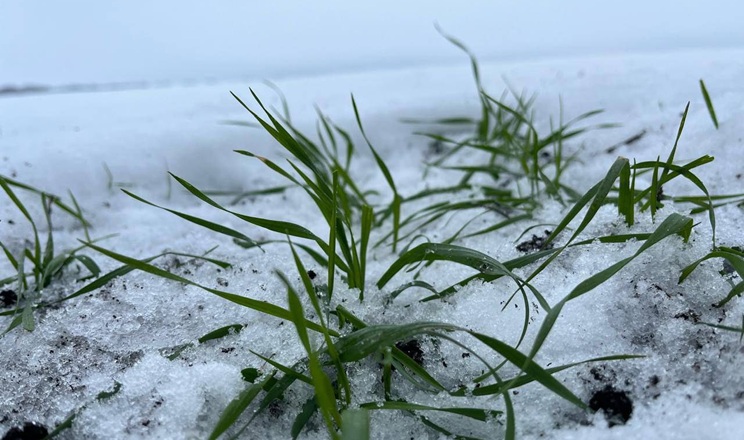
The European Crop Monitoring Center (MARS) reported on Monday that winter crop conditions in Europe are generally satisfactory, although severe and prolonged frosts in parts of Northern and Eastern Europe have raised concerns about localized frost damage. Winter wheat has largely hardened well, but barley and rapeseed may have suffered in the coldest areas. Meanwhile, rainfall in the Maghreb region is improving yield prospects for the three North African countries.
According to the first MARS bulletin (Monitoring Agricultural Resources) of 2026, published in March, conditions for winter crops across Europe remain largely satisfactory. Severe and prolonged frosts have caused concerns in regions with insufficient snow cover. At the same time, heavy rains in western France, southern Europe, and the western Mediterranean replenish soil moisture and water reserves, though they also cause localized flooding. In the Maghreb, rainfall has improved yield prospects, but even in this western region there has been excessive precipitation.
The March MARS report does not yet provide yield data for Europe, only forecasts for the three Maghreb countries – Tunisia, Morocco, and Algeria – compared to the five-year average. In most cases, cultivated areas have remained nearly unchanged from the previous year, although some have significantly decreased in recent years. For example, in Morocco, wheat areas fell by 22%, durum wheat by 24%, and barley by 34%, while in Tunisia, wheat areas decreased by 56%.
Yield per hectare in the Maghreb is partially above average, but total production in some areas remains below the average. Tunisia expects wheat yields per hectare to be 7% higher than the five-year average, with total production 10% above average. Morocco forecasts wheat yield per hectare 8% above average, but total production 20% below the five-year average. Soft wheat yields in Tunisia are expected to be 58% below the long-term average, and in Morocco, 19% below. Algeria expects wheat yields per hectare and total production to be 10% higher than average, with barley up by 16%. Durum wheat yields are projected to increase by 11% in Algeria, exceeding the 7% increase for soft wheat.
All three countries are expected to achieve higher barley yields than in the previous five years, but only Algeria anticipates increased production (+16%), whereas Tunisia (-13%) and especially Morocco (-34%) expect significantly weaker harvests.
In Europe, problematic areas remain where winter temperatures were extremely low or precipitation was insufficient. High-risk regions include eastern Poland, the Baltic countries, and western Ukraine, where temperatures sometimes dropped to -30°C, creating a high risk of crop losses due to frost. Other regions saw good winter hardiness of crops. Lower frost damage risk was recorded in northeastern Germany, Denmark, Sweden, western Poland, and central Ukraine. In December 2025, much of Europe, including Central Europe, the Western Balkans, Romania, and central Ukraine, experienced precipitation deficits. In January and February, northeastern Europe faced moisture shortages combined with low temperatures.
Prolonged periods of severe frost and thin snow cover caused localized winter crop damage in Finland, the Baltic countries, Poland, and Ukraine, highlighting the importance of monitoring crop conditions across different regions.
Read also
BLACK SEA GRAIN. KYIV: Join with a SMART rate by March 31!
China has opened its market to imports of Ukrainian peas
Vegetable oil prices have stopped responding to speculative jumps in cude oil prices
Thai sugar industry calls for E20 transition to bolster energy security
Trump considers suspending Moroccan fertilizers duties amid corn grower pressure




Got additional questions?
We will be happy to assist!
Write to us
Our manager will contact you soon