

Vietnam expands GM corn to 50% of planted area amid higher yields
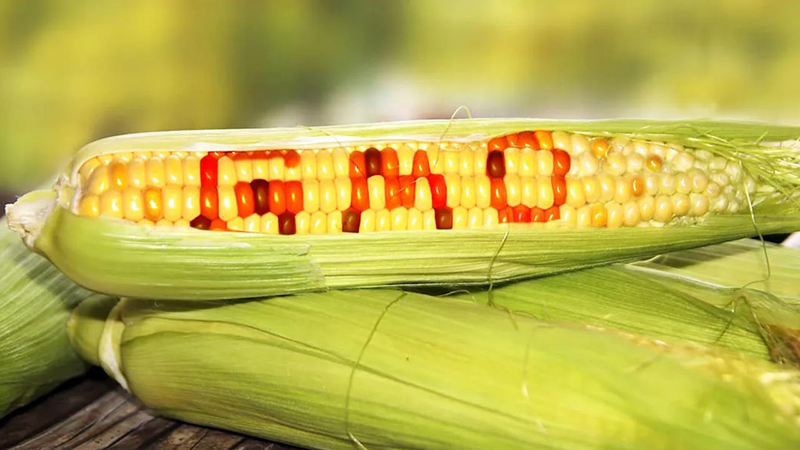
In Vietnam, the share of genetically modified (GM) corn in the country’s total corn-growing area increased from 1.1% in 2015 to nearly 50% in 2025. The rapid adoption of biotechnology hybrids is attributed to their higher yields and economic benefits for farmers. As of August 2026, Vietnam had officially approved 31 GM corn varieties for commercial cultivation, reflecting the gradual expansion of modern agricultural technologies in crop production.
According to research findings, GM corn yields in Vietnam were 15.2–30% higher than those of conventional varieties during 2016–2025. As a result, farmers earned an additional $169–284 per hectare. Higher productivity has become one of the main factors encouraging farms to adopt GM hybrids, particularly in regions where crops face a high risk of pest damage.
More than 80% of Vietnam’s GM corn-growing area is planted with hybrids combining insect resistance and herbicide tolerance. Over the past decade, the adoption of these technologies has reduced herbicide use by nearly 135 tons and insecticide use by more than 62 tons. Experts also highlight additional benefits, including lower labor requirements, a reduced risk of aflatoxin contamination in grain and a smaller environmental impact.
Meanwhile, Vietnam continues to develop agricultural biotechnology and explore the potential of genome-editing technologies. During 2021–2025, the relevant government program involved 19 research institutions, which worked on 26 crop species and developed 36 new varieties. However, unlike genetically modified crops that are already cultivated commercially, genome-edited varieties remain at the research and regulatory development stages. Simplifying regulations for crops that do not contain foreign DNA is expected to reduce the cost and time required to bring new varieties to market by 50–70%.
Despite the successful adoption of GM corn, Vietnamese experts are calling for a cautious approach to expanding biotechnology into other crops, particularly those intended for export. The use of genetic modification in rice production, for example, requires additional assessment because of potential restrictions in international markets. Promising areas for further adoption include flower crops, sweet corn and waxy corn, which have a smaller impact on export trade.
Read also
Canadian pea exports rise by 26% since start of season
Potato yields in Ireland fall by 15–16% due to drought
Tunisia issues tender to buy 6 thsd tons of soybean or rapeseed oil
Wheat and soybeans rise while corn falls in Chicago on Wednesday
Asia overtakes Europe as the largest importer of shelled US walnuts




Got additional questions?
We will be happy to assist!
Write to us
Our manager will contact you soon