

Ukraine will not agree to permanent restrictions on agricultural exports following its accession to the EU — Vysotsky
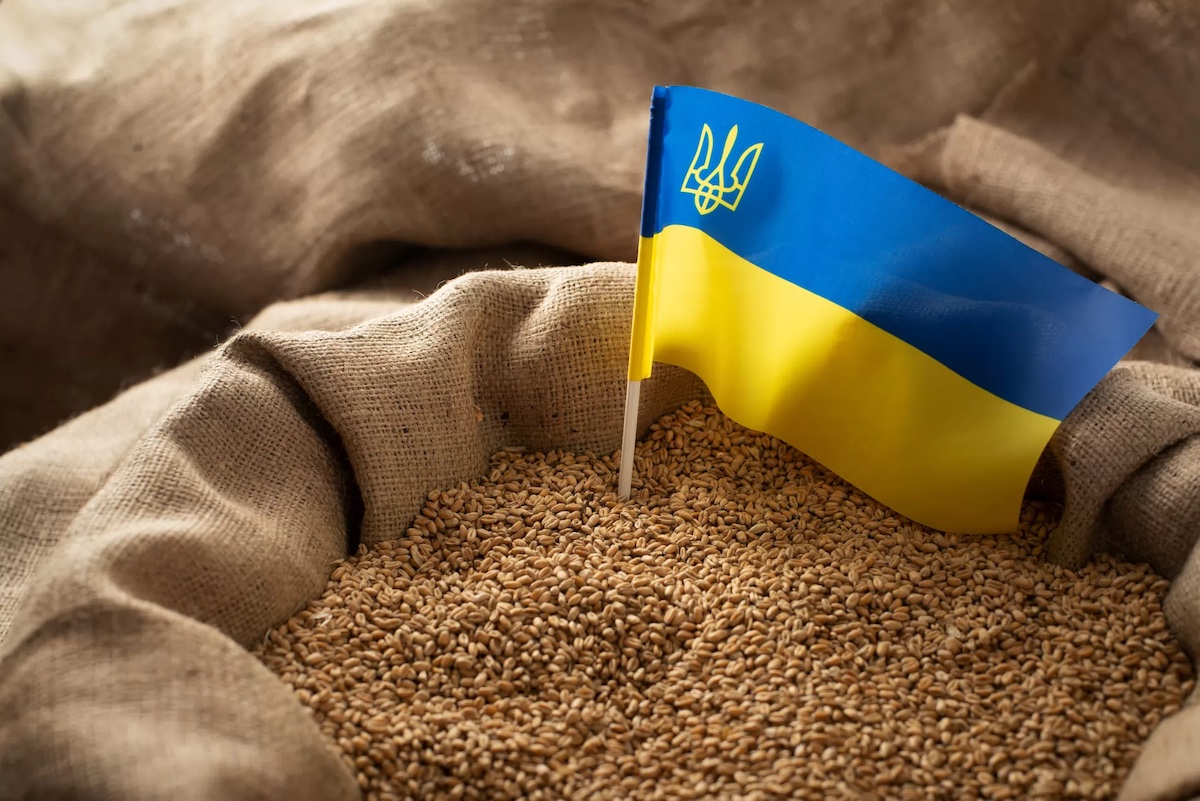
Ukraine will not accept an EU membership model that includes permanent restrictions on sales of certain Ukrainian agricultural products in the EU market, Taras Vysotskyi said in comments to Politico following the European Commission’s publication of proposals on future enlargement.
According to Vysotskyi, Ukraine draws a clear distinction between a transitional period and permanent restrictions. Kyiv is prepared to accept gradual integration into the Common Agricultural Policy, temporary quotas and safeguard mechanisms for sensitive products, but such measures should have a clearly defined end date. Indefinite restrictions, in Ukraine’s view, would contradict the logic of full EU membership.
Ukraine also does not plan to base its integration into the European agricultural market solely on exports of grain and other raw materials. Its goal is to increase supplies of higher value-added products, including animal feed, ingredients, processed products and biofuels, while also attracting investment into domestic processing capacity.
Vysotskyi also stressed that Ukraine’s agricultural sector should not be viewed solely as a threat to EU farmers. Ukraine could help the bloc reduce its dependence on imports from third countries for products such as fertilizers, soybeans and feed-grade lysine, while also providing European producers with better access to export routes through the Black Sea.
Ukraine’s position came in response to European Commission proposals published on October 6 on how the EU should prepare for future enlargement. For Ukraine’s agricultural sector, the Commission has proposed special mechanisms that could significantly limit financial support and market access for sensitive agricultural products, while at the same time helping Ukraine restore its traditional export markets in third countries.
The European Commission has also emphasized that the proposed safeguards should be targeted and transitional, with the specific terms to be defined in future accession treaties. For Ukraine, the key condition is that once the transition period ends, its agricultural sector should be able to operate under the rules of full EU membership without permanent separate restrictions.
Read also
Wheat, corn and soybeans rise in Chicago on Tuesday
GDT dairy price index rises 1.2%
Ethanol and soybean crushing strengthen domestic demand for US corn and soybeans
Better harvest could cut Morocco’s French wheat purchases by 1 mln tons
Nepal spends $258 mln on subsidies as fertilizer supplies hit a record




Got additional questions?
We will be happy to assist!
Write to us
Our manager will contact you soon