

UK develops technology to produce sustainable aviation fuel from agricultural waste
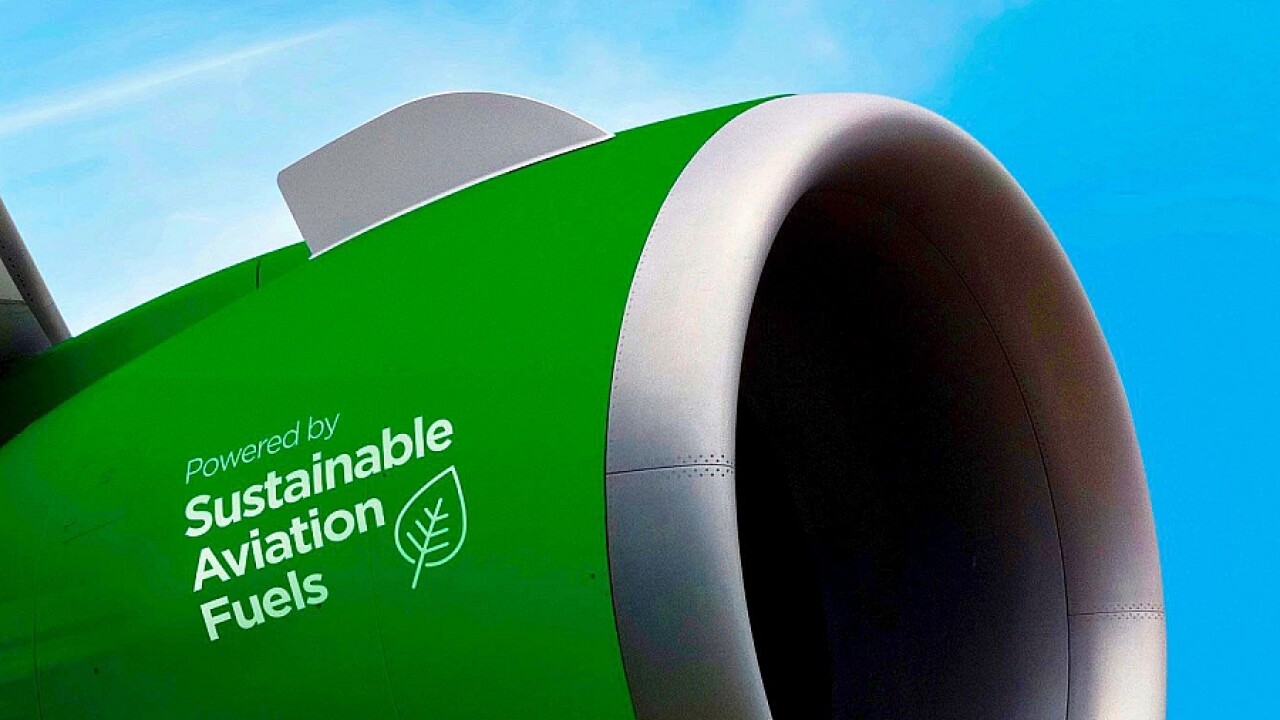
British biotechnology company Neela Biotech has secured £2.1 mln in funding to develop technology for producing sustainable aviation fuel (SAF) from organic waste, including agricultural residues. The technology uses microorganisms and artificial intelligence to convert waste into feedstocks suitable for further aviation fuel production. The funding will enable the company to move from laboratory research to pilot-scale testing.
The technology is based on a microbial process that converts food waste, agricultural residues, and forestry by-products into fatty acids. These can subsequently be used to produce sustainable aviation fuel through the hydroprocessed esters and fatty acids (HEFA) pathway. This approach expands the range of available feedstocks and enables the use of organic waste materials that previously had limited industrial applications.
According to Neela Biotech, around 95% of global SAF production currently relies on HEFA technology, which primarily uses waste cooking oil and animal fats. However, the limited availability of these feedstocks is becoming one of the main constraints on scaling up sustainable aviation fuel production. Using agricultural and food waste could reduce the industry’s dependence on traditional fat-based feedstocks and create additional opportunities for the biofuel sector.
One of the key advantages of the new technology is its ability to integrate with existing biogas infrastructure without requiring the construction of entirely new production facilities. This could potentially reduce capital costs and create additional revenue streams for biogas plant operators. Over the next two years, Neela Biotech plans to conduct pilot-scale trials at an operational biogas facility to assess the technology’s scalability.
The funding round was led by Elbow Beach, with participation from Ascension, Cambridge Enterprise, Ventures Together, and other investors. The technology is being developed amid expectations of rising global demand for sustainable aviation fuel as emission reduction requirements in the transport sector become more stringent. In the longer term, using agricultural waste for SAF production could create new opportunities for agricultural producers and biogas operators while increasing the added value of agricultural by-products.
Read also
Kazakhstan’s wheat flour exports rise to 1.4 mln tons
India increases palm oil purchases as prices fall $300/t below sunflower oil
Global Factors Reshaping Supply Chains – Key Challenges & Industry Resp...
Ukraine and Netherlands plan to expand cooperation between Odesa and Rotterdam ports
Ukrainian farmers may halve corn planting area in 2027 in favor of oilseeds




Got additional questions?
We will be happy to assist!
Write to us
Our manager will contact you soon