

U.S. soybean farmers could lose $1 billion as biodiesel demand declines
The American Soybean Association (ASA) has warned of a sharp decline in domestic soybean demand if exemptions for small oil refineries under the Renewable Fuel Standard (RFS) are expanded. Current estimates suggest that exemptions for the 2025 compliance year could exceed 1.8 billion RIN credits, nearly double the volume previously assumed by the U.S. Environmental Protection Agency (EPA).
According to ASA, a significant increase in refinery exemptions could eliminate around 500 million gallons of biomass-based diesel demand. As a result, U.S. soybean farmers could lose approximately $1 billion in revenue.
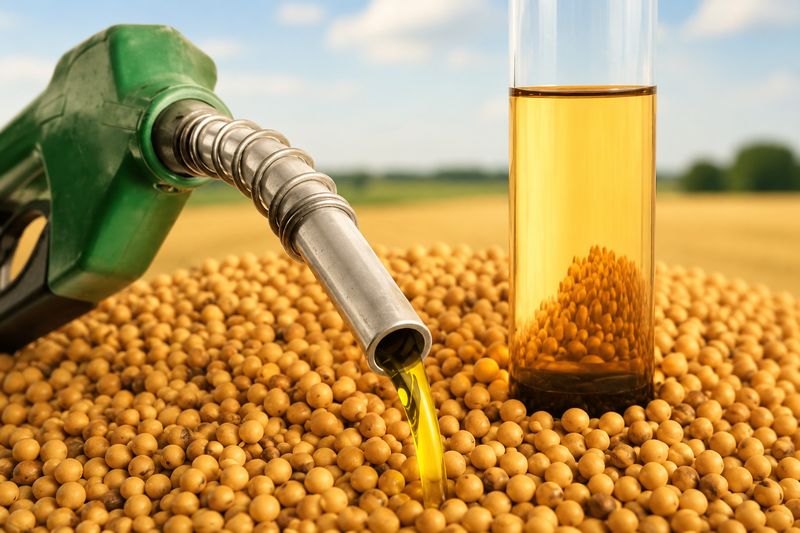
The issue is particularly important for the soybean market because biomass-based diesel has become a major source of domestic demand for U.S. soybean oil. Growth in biofuel production supports soybean crushing and prices, meaning lower mandated biofuel use could weaken demand for soybeans.
The risk comes after the U.S. administration approved a substantial increase in mandatory biofuel blending volumes for 2026–2027 earlier this year. ASA fears that large-scale refinery exemptions could effectively offset the benefits of higher blending requirements and reduce the expected increase in demand for U.S. soybeans.
ASA is urging the U.S. administration not to expand refinery exemptions beyond the levels assumed by the EPA when setting the current blending requirements. The association warns that any further reduction in biofuel demand could increase pressure on U.S. soybean farmers.
Read also
Moldovan farmers threaten protests over possible lifting of restrictions on Ukrain...
Global durum wheat market faces shortage of high-quality grain
Argentina expands sunflowerseed production and crushing amid high global sunflower...
Spanish producers call for withdrawal of up to 20% of olive oil from market amid f...
Jordan buys 60 thsd tons of wheat in tender




Got additional questions?
We will be happy to assist!
Write to us
Our manager will contact you soon