

Thailand may ease restrictions on corn and wheat imports
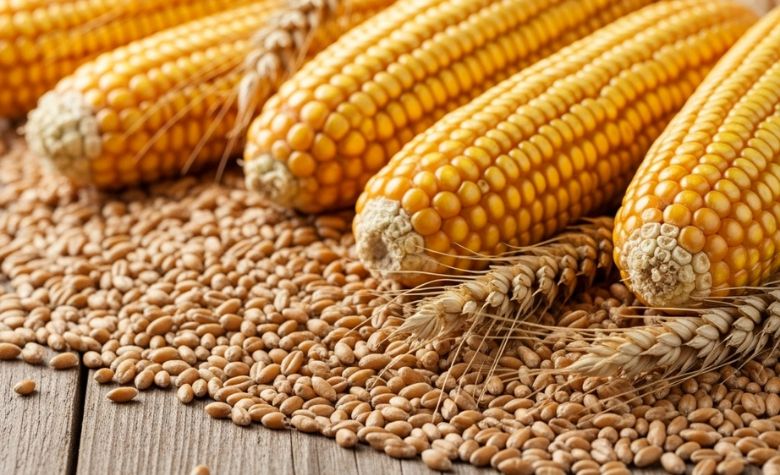
Feed manufacturers in Thailand are urging the government to ease restrictions on feed corn and wheat imports amid raw material shortages and rising domestic prices. Unfavorable weather conditions associated with El Niño have delayed corn harvesting and the arrival of the new crop on the market, increasing pressure on the livestock industry. The Thai Livestock and Aquaculture Federation has called on the Ministry of Commerce to accelerate approval of feed grain import regulations for 2027.
Domestic feed corn prices currently exceed the government’s benchmark by approximately $0.05/kg. Against a target price of $0.29/kg, actual raw material costs are approaching $0.34/kg, increasing production expenses for compound feed manufacturers. Deteriorating corn quality at processing facilities is creating additional difficulties. Market participants warn that raw material shortages could persist into next year.
According to forecasts, Thailand’s total feed ingredient imports could decline by 15–20% in 2026. In particular, only around 150 thsd tons of US corn have been purchased under a duty-free import quota of 570 thsd tons. One reason was the increase in imported corn prices, which exceeded $0.31/kg after the government completed its quota allocation in July. Meanwhile, delays in regulatory decisions limited traders’ ability to conclude contracts and arrange shipments in advance.
To stabilize the market, industry associations are proposing changes to existing import regulations. In particular, producers are calling on the government to announce the conditions of the 2027 feed corn import quota as soon as possible, extend the period for using import entitlements until June of the following year, and temporarily ease the corn-to-wheat import ratio from 3:1 to 2:1. The latter measure is proposed for February–August 2027 to expand opportunities for purchasing wheat for compound feed production.
Feed industry representatives emphasize that timely adjustments to import policy would allow companies to plan grain purchases more effectively and reduce their dependence on unstable domestic corn supplies. Easing restrictions could also increase competition among feed ingredient suppliers and help contain further increases in livestock production costs. The Thai government is expected to make a final decision on the proposed changes following their review by the relevant committee.
Read also
Brazil’s sugar production to rise 14% in 2027/28 — Rabobank
Jordan issues tender to purchase 120 thsd tons of barley
Coming Up in UkrAgroConsult Reports: Key Market Signals
Drought and fertilizer shortages could cut Indonesia’s palm oil production b...
India and Turkey sharply increase purchases of Canadian lentils




Got additional questions?
We will be happy to assist!
Write to us
Our manager will contact you soon