

Sugar industry decline turned Cuba into a sugar importer
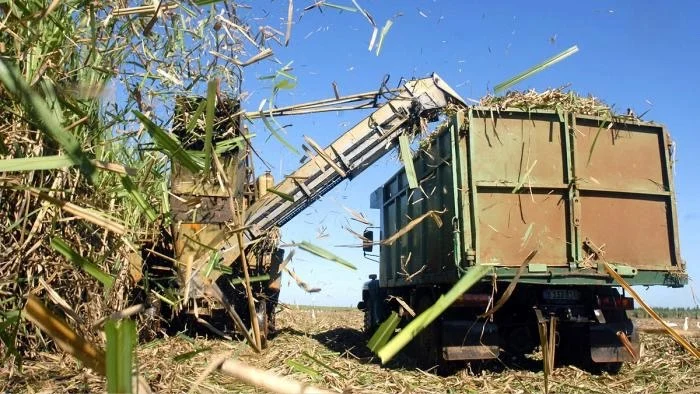
Cuba, once the world’s largest sugar exporter, is now importing sugar to meet domestic demand as its sugar industry continues to struggle after decades of decline, Bastille Post Global reported.
At its peak in 1989, the island nation exported over six million tonnes of sugar, with vast cane plantations supporting not only sugar production but also related industries such as rum, animal feed and paper manufacturing. Sugar mills also generated electricity using bagasse, making the sector central to the country’s economy.
However, the industry began to weaken in the early 1990s due to rising production costs and falling global sugar prices. By 2002, the situation had worsened to the point that the government shut down 71 of more than 150 sugar mills, leading to large-scale job losses and economic disruption in rural areas.
Today, Cuba produces less than 200,000 tonnes of sugar annually, far below its domestic requirement of around 700,000 tonnes. As a result, the country has been forced to import sugar from nations including Brazil, Colombia and the United States.
The collapse of the sector has left large areas of land and infrastructure unused, while communities once dependent on sugar mills have seen reduced economic activity.
In recent years, the Cuban government has made efforts to revive the industry. Experts believe that while production may not return to historic highs, it could recover to 4–5 million tonnes annually with the help of foreign investment and policy support.
A proposal by the National Innovation Council aims to boost sugar and by-product production to increase exports and support the country’s economy, signalling renewed focus on rebuilding the sector.
Read also
Brazil’s share in soybean meal exports to the EU exceeded 50%
Rising tensions in global phosphate markets in the near term
MERCOSUR Agri Markets: The Forces Reshaping Global Supply
Wheat prices in Ukraine are gradually increasing, while in the US they are decreas...
EU soybean harvest to grow by 2% in 2026 — UFOP




Got additional questions?
We will be happy to assist!
Write to us
Our manager will contact you soon