

Strikes on Novorossiysk could remove around 5 mln tons of Russian grain from the global market
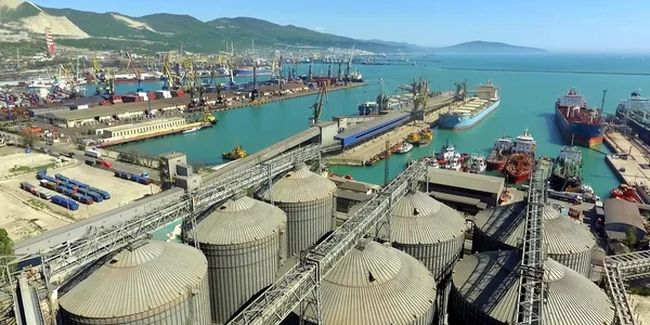
Strikes on grain infrastructure in Novorossiysk could put around 5 mln tons of Russian grain exports at risk, The Telegraph reports. Novorossiysk is Russia’s main grain export port and handles up to a third of the country’s shipments. Following the latest attacks, disruptions affected all three key grain terminals — NKHP, NZT and KSK — sharply reducing Russia’s capacity to export grain through the Black Sea.
The impact of the strikes could last longer than initially expected. Materials published after the attack show damage to grain handling facilities and other port infrastructure. Grain silos have also reportedly been damaged. Restoring full operations at the terminals is particularly critical for Russia now, as wheat exports traditionally reach their seasonal peak following the new crop harvest.
Novorossiysk, grain terminal viewed from the railway side. Grain silos have been damaged. According to reports from the site, the smell of bitumen has persisted for four days.
Russian grain exports had already fallen sharply behind normal levels before the latest strikes on Novorossiysk. In July, Russia shipped only around 1.5 mln tons of wheat, compared with a five-year average of 3.1 mln tons. Restrictions at the country’s main Black Sea export hub now raise the risk of further grain accumulation on the domestic market and additional pressure on local purchase prices.
Russia cannot quickly replace Novorossiysk with alternative export routes. Redirecting large volumes through the Baltic, railways and other ports requires additional capacity and increases logistics costs. The disruptions have also emerged at the beginning of the new season, when domestic grain supplies are increasing and farmers need to clear storage capacity and generate cash from new-crop sales.
At the same time, shipments from Ukraine have fallen sharply. Intensified Russian attacks on ports and shipping have brought vessel traffic to Ukrainian Black Sea ports almost to a halt in August, while exports in the first half of the month fell by around 76% year-on-year. As a result, shipment disruptions are simultaneously affecting the two largest grain suppliers in the Black Sea region.
Reduced Black Sea supplies are already supporting global wheat prices. Rising fertilizer costs pose another risk to the food market: disruptions to urea supplies through the Strait of Hormuz earlier this year triggered a sharp increase in prices, potentially affecting crop yields next season.
Against this backdrop, the FAO Food Price Index reached 131.1 points in July, its highest level in more than three years. A further decline in grain exports from the Black Sea region could intensify price pressure, particularly for countries heavily dependent on wheat imports.
For almost 30 years of expertise in the agri markets, UkrAgroConsult has accumulated an extensive database, which became the basis of the platform AgriSupp.
It is a multi-functional online platform with market intelligence for grains and oilseeds that enables to get access to daily operational information on the Black Sea & Danube markets, analytical reports, historical data.
You are welcome to get a 7-day free demo access!!!
Read also
Floods destroy more than 80% of Crete’s potato crop
Sweet pepper supply in Europe remains tight due to heat and a late Spanish season
Jordan makes no purchase in 120 thsd ton barley tender
Nepalese processors seek lower sunflower oil duty after India cuts tariffs
Rising global grain prices push Vietnam feed costs higher for second time in a month




Got additional questions?
We will be happy to assist!
Write to us
Our manager will contact you soon