

Soybean oil strengthens its position in India as sunflower oil imports decline
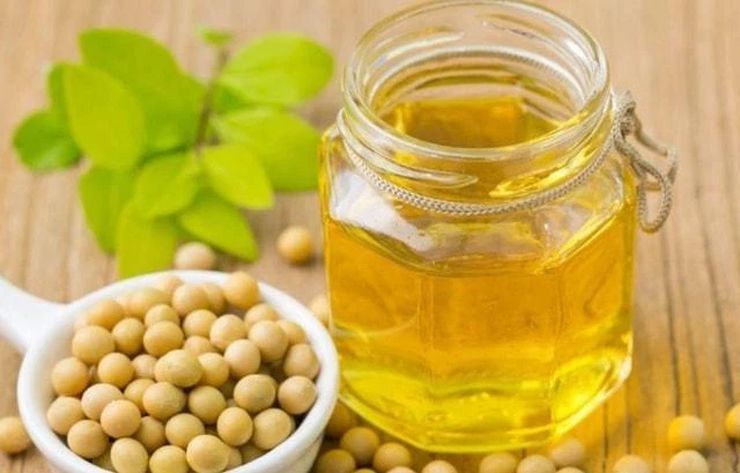
India continues to increase its soybean oil purchases, with the commodity’s share of total edible oil imports rising from 21.8% in 2020/21 to 34.5% in the 2025/26 marketing year. According to the Solvent Extractors’ Association of India (SEA), the country imported 5.83 mln tons of soybean oil between November 2025 and October 2026, compared with 5.46 mln tons a year earlier and 3.44 mln tons in 2023/24. The increase reflects improving price competitiveness of soybean oil and disruptions to sunflower oil supplies from the Black Sea region.
India’s total edible oil imports increased by 5.7% in 2025/26 to 16.92 mln tons, compared with 16.01 mln tons in the previous season. Palm oil remained the largest import category, with shipments rising from 7.58 mln to 8.22 mln tons. However, imports remained below the levels recorded in previous years, when purchases reached 9.01 mln tons in 2023/24 and 9.78 mln tons in 2022/23. Thus, while palm oil continues to dominate India’s import structure, soybean oil is gradually strengthening its position in the market.
In contrast, sunflower oil imports declined to 2.84 mln tons from 2.93 mln tons a year earlier and 3.5 mln tons in 2023/24. The main factors included higher international sunflower oil prices and logistical difficulties affecting shipments through the Black Sea. Ukraine and Russia remain major suppliers of sunflower oil to the global market, but disruptions to Black Sea export routes have forced Indian importers to diversify their purchases. Argentina has partially offset reduced supplies from traditional sources, although its shipments have not always been sufficient to fully meet market demand.
Soybean oil has gained an additional competitive advantage from increased supplies from Argentina and Brazil, making it more attractive to Indian refiners in terms of price and availability. According to SEA Executive Director B.V. Mehta, changing price relationships between soybean, sunflower and palm oils are increasingly shaping India’s import structure. In 2025/26, soybean oil purchases were supported by relatively lower international prices and stable domestic production, although import volumes moderated toward the end of the season amid growing biofuel demand and supply disruptions in West Asia.
India remains one of the world’s largest edible oil importers, relying on overseas supplies for approximately 60–65% of its requirements. Annual consumption is estimated at around 26 mln tons, while domestic production covers only about 40% of demand. In 2026, the area planted with oilseed crops reached approximately 19.66 mln hectares, although this modest expansion does not guarantee higher production. Drought conditions have negatively affected soybean and groundnut yields, as well as the production of other oil-bearing raw materials. Under these circumstances, India’s dependence on imports is expected to persist, while the balance between soybean, palm and sunflower oil purchases will continue to be driven primarily by global prices and supply availability.
Read also
Global coffee prices plunge amid expectations of record production
Ukraine launches anti-dumping investigation into imports of Chinese crop protectio...
EU potato yields fall 12% due to summer drought
France raises wheat export forecast amid Black Sea supply disruptions
Australian wheat prices rise despite declining US futures




Got additional questions?
We will be happy to assist!
Write to us
Our manager will contact you soon