

Soybean oil could overtake palm oil in global production by 2032
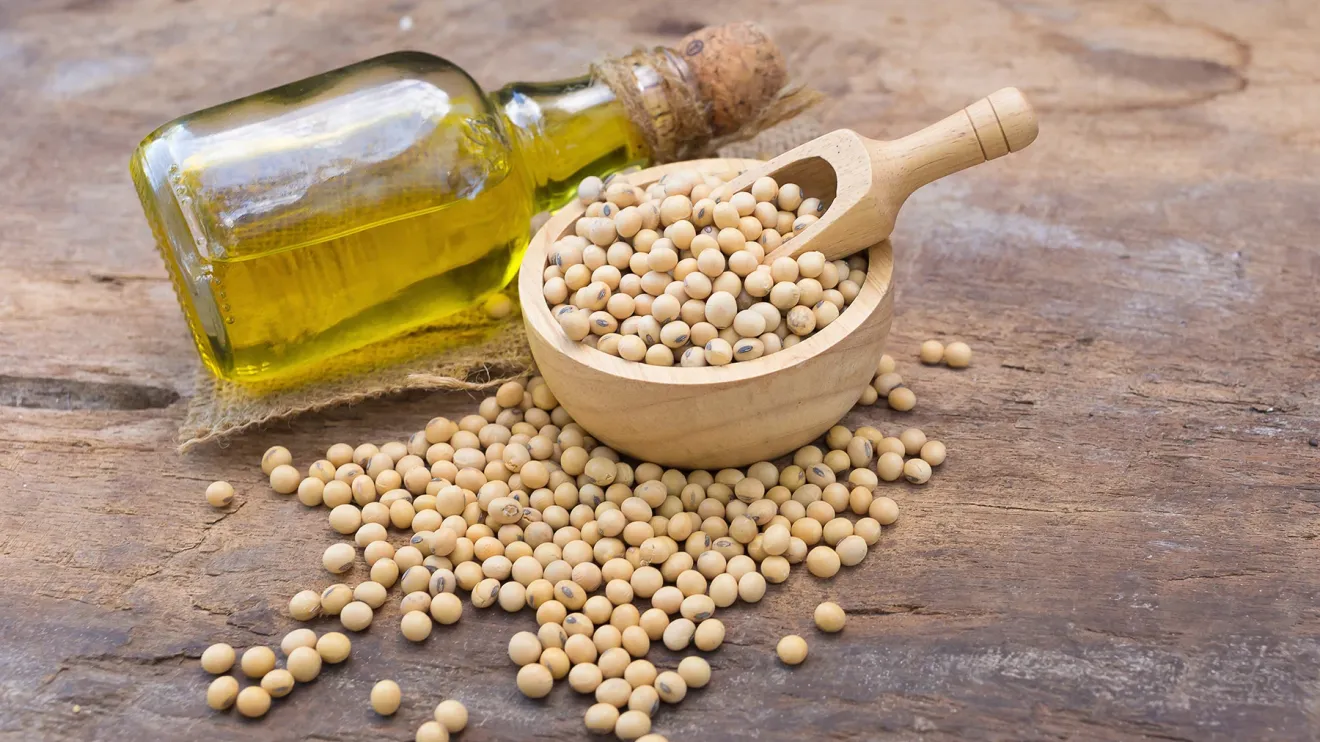
Soybean oil could surpass palm oil in global production volumes within the next six years, ending its leadership that has continued since the early 2000s. This forecast was presented by Thomas Mielke, CEO of ISTA Mielke GmbH (Oil World), at the Malaysian Palm Oil Forum 2026. According to his assessment, soybean oil production will continue to expand, supported by larger planting areas and increased processing, while the palm oil industry faces growing constraints on its production potential.
South America is expected to remain the main driver of soybean oil production growth, with expanding soybean acreage and the introduction of new high-yielding varieties offering higher oil content and improved drought tolerance. Additional advantages include lower labor requirements, economies of scale and opportunities to reduce production costs. According to Mielke, global soybean crush is forecast to increase by approximately 7.5 mln tons in the 2026/27 marketing year, following growth of 16 mln tons in the previous season.
Meanwhile, palm oil production growth is slowing due to insufficient plantation replanting, the spread of Ganoderma fungal disease, rising costs and reduced fertilizer application. Stricter environmental requirements and the need to comply with sustainable production standards are adding further pressure on the industry. According to the analyst, average annual growth in global palm oil production is expected to reach around 1.3 mln tons during 2020–2030, compared with 2.9 mln tons during 2010–2020.
Indonesia and Malaysia remain the world’s largest palm oil producers and exporters, accounting for the majority of global supplies. At the same time, expanding soybean production in South America is gradually changing the balance of the global vegetable oil market. Palm oil and soybean oil together currently account for approximately 56% of global vegetable oil consumption. Palm oil has maintained its leading position in production volumes for more than two decades, but further growth is increasingly dependent on the productivity of existing plantations.
Mielke believes that a change in the global leader in vegetable oil production is increasingly likely, although the forecast will depend on numerous supply and demand factors. Further expansion of soybean oil production will be determined by soybean crushing volumes and demand for soybean meal, while the outlook for the palm oil industry will depend on plantation replanting, yields and production costs. As a result, the structure of the global vegetable oil market could shift significantly in favor of soybean oil by the beginning of the next decade.
Read also
Paraguay increases beef exports to the US amid rising demand
Ahlers – Logistics Partner of 4S BUSINESS SUMMIT
Strait of Hormuz crisis is already affecting global harvests — UN
Price gap between Australian wheat grades hits three-year high amid shortage of hi...
Monthly report «VegOil Market Risk Navigator for Ukraine», September 2026




Got additional questions?
We will be happy to assist!
Write to us
Our manager will contact you soon