

Solar panels on pastures reduce heat stress in dairy cows and improve forage quality — study
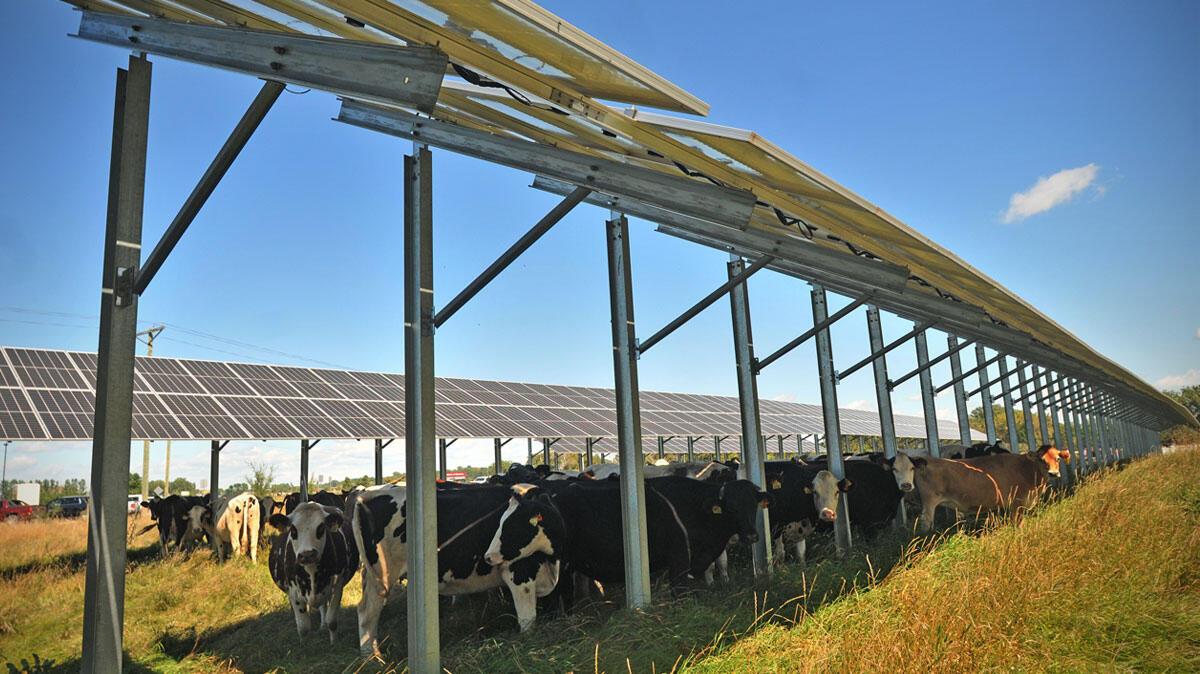
US researchers have found that installing solar panels on dairy pastures can simultaneously reduce heat stress in cows, improve forage nutritional value and generate electricity. These findings come from scientists at the University of Minnesota, who have been studying ways to combine livestock farming with solar energy production for several years. Agrivoltaic systems allow farmland to remain in agricultural use while creating an additional income source for farmers.
In one study, researchers monitored 24 dairy cows divided into two groups — one with access to shade from solar panels and the other without shade. At ambient temperatures of 27–34°C, cows in the shaded group had lower body temperatures and respiration rates. During afternoon hours, their average respiration rate was 66.4 breaths per minute, compared with 78.3 breaths per minute among cows without shade. However, no significant differences were found between the groups in milk yields, milk fat or protein content.
In August 2026, researchers from the University of Minnesota and the University of New Hampshire published a new study examining the effects of solar panels on forage yields and nutritional quality. During the 2022–2023 growing seasons, they compared alfalfa, clover, forage grasses, peas and other crops grown beneath 30-kW and 50-kW solar arrays with crops grown in full sunlight. The results showed that forage grown under solar panels had similar or higher crude protein content and improved fiber digestibility. The highest nutritional value was recorded under the 50-kW installation, although greater shading resulted in lower forage biomass.
A 240-kW solar power system was also installed at the University of Minnesota’s research dairy farm. The panels were mounted 2.4–3 meters above the ground to ensure that cattle could safely move beneath the structures. The total cost of the equipment and electrical infrastructure was approximately $90,000. According to the researchers, the economic benefits of such systems extend beyond electricity generation, as farmers can continue using the pasture to feed livestock, reduce stored feed costs and avoid additional expenses for mowing grass beneath the panels.
Scientists are continuing their agrivoltaics research and installing new systems with automatic solar tracking, as well as vertical panels that could serve as windbreaks for cattle. However, the long-term effects of these installations on herd reproduction, milk production and animal health still require further investigation. Researchers believe that combining solar energy production with pasture-based dairy farming could offer a promising way to improve farm profitability while reducing its carbon footprint.
Read also
Poland’s potato imports fall nearly 41% in volume and 46% in value
Canada’s canola crushing capacity expands to 15 mln tons per year
EU fertilizer prices remain high amid costly gas and raw material supply disruptions
Whole wheat flour accounts for just 4.1% of total US flour production
Netherlands onion harvest falls 15% due to drought and reduced planting area




Got additional questions?
We will be happy to assist!
Write to us
Our manager will contact you soon