

Russia has limited time to stabilize its fuel market or the 2026 harvest risks disruption
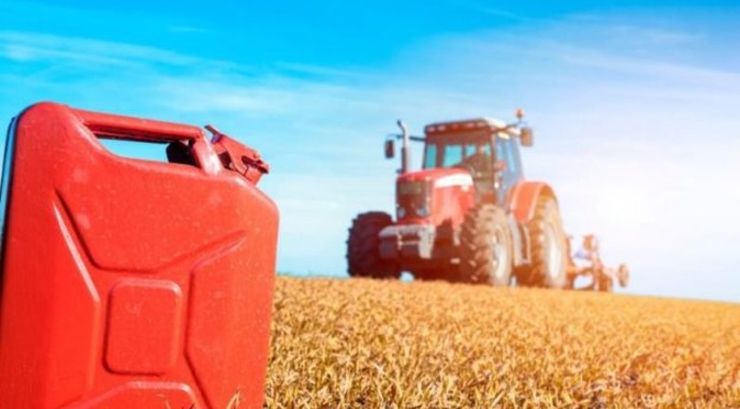
In June 2026, Russia is facing one of its most severe fuel crises in recent years, driven by systematic damage to oil refining infrastructure. Oil refining capacity is estimated to have fallen by 20–30%, resulting in fuel shortages across more than 50 regions. The situation is particularly critical in key agricultural areas such as the Krasnodar region, Stavropol Krai, the Volga region, and other major grain-producing zones. Fuel stations are imposing strict limits on fuel sales, while diesel prices have risen by 40–90% compared with spring levels, creating significant obstacles for seasonal field operations.
Deputy Prime Minister Alexander Novak is holding urgent coordination meetings with the Energy Ministry, Agriculture Ministry and other agencies in an attempt to stabilize the market. Key measures include prioritizing diesel supplies for farmers, introducing temporary fuel export restrictions, and strengthening market monitoring. Agriculture Minister Oksana Lut is also involved in these discussions, although official assurances of “control over the situation” often contrast with conditions on the ground, where farmers continue to report supply disruptions.
In the Republic of Tatarstan, Agriculture and Food Minister Marat Zyabbarov directly advised farmers to build diesel reserves sufficient for 10–14 days to avoid equipment downtime during the harvest preparation and harvesting period. This recommendation is one of the clearest signals from regional authorities regarding supply risks. Across the country, farms are increasingly forced to build their own fuel buffers, as reliable and uninterrupted supply is not guaranteed.
Agricultural enterprises are attempting to source fuel from neighboring regions or reduce operational activity. Even large agroholdings typically hold diesel reserves sufficient for only 1–2 weeks of intensive machinery use. This creates a direct risk of harvest interruptions at peak season, potentially leading to crop losses, higher production costs, and disruptions in grain logistics.
If the fuel crisis persists, the consequences for Russia’s agricultural sector could be significant: rising domestic food prices, difficulties in fulfilling export contracts, and weakening food security. At the same time, such disruptions could create additional opportunities for other grain exporters on global markets due to a potential reduction in Russian supply.
The coming weeks will be decisive for the 2026 harvest campaign. The speed and effectiveness of Russian government measures will determine whether a large-scale disruption can be avoided. The situation remains highly dynamic and highlights the structural vulnerability of Russian agriculture to fuel supply shocks.
For almost 30 years of expertise in the agri markets, UkrAgroConsult has accumulated an extensive database, which became the basis of the platform AgriSupp.
It is a multi-functional online platform with market intelligence for grains and oilseeds that enables to get access to daily operational information on the Black Sea & Danube markets, analytical reports, historical data.
You are welcome to get a 7-day free demo access!!!
Read also
EU risks becoming dependent on China amid aviation fuel feedstock shortages
Ukraine to compensate shipowners for up to 80% of losses from Russian attacks
Soybean cultivation in Europe shifts north due to drought
Global beef production to decline by more than 3% for the first time in five years
Indonesia launches new palm oil export monitoring system




Got additional questions?
We will be happy to assist!
Write to us
Our manager will contact you soon