

Rising soybean prices in India boost demand for corn and rice in feed production
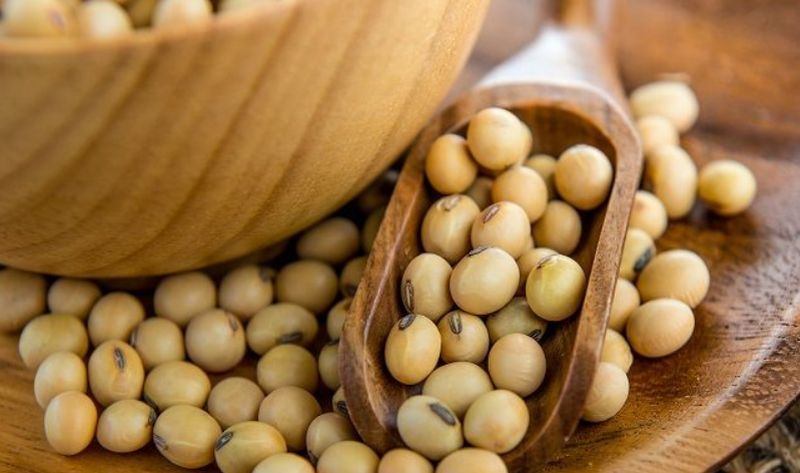
Rising soybean prices in India are forcing feed manufacturers to reduce soybean meal use and switch to alternative raw materials, primarily corn and broken rice. According to agricultural economist Hanish Kumar Sinha, soybean meal use in feed formulations has declined by 25–30%. This trend is strengthening demand for grains and contributing to higher prices in the domestic market.
During October–November 2026, soybean prices in India increased, ranging from $0.76 to $0.80/kg, or $760–800/t. High raw material costs, combined with weakening demand for soybean meal, are putting pressure on the profitability of processing companies. As a result, processors are reluctant to purchase soybeans and increase capacity utilization, creating additional challenges for the country’s oilseed crushing industry.
One of the main reasons for higher soybean prices has been adverse weather conditions associated with El Niño. According to the expert, these conditions have negatively affected oilseed production in India and driven up prices across various oilseed commodities. Limited supplies and high purchasing costs are forcing feed manufacturers to revise traditional formulations to contain production costs.
In response to rising soybean meal prices, Indian feed manufacturers have begun replacing 15–25% of oilseed-based ingredients in feed formulations with corn and broken rice. Increased use of these crops is generating additional demand in the domestic grain market, contributing to higher prices. As a result, shortages and rising prices of oilseeds are gradually affecting pricing across other feed ingredient markets.
India’s feed market remains under pressure due to simultaneous increases in soybean, corn and rice prices. According to Hanish Kumar Sinha, market conditions may not begin to improve until February 2027, when the new rabi crop harvest starts reaching the domestic market. Until then, high raw material prices could continue to constrain soybean crushing and support demand for alternative feed ingredients.
Read also
Ukrainian tomato processors fall 25% short of production target
Kenya needs to import 2.6 mln tons of wheat amid sharp production decline
Paraguay cuts corn exports by 37% amid rising domestic demand
Poland opens new poultry export markets in Egypt and Cuba
Morocco cuts MAP exports by 61% amid rising raw material costs




Got additional questions?
We will be happy to assist!
Write to us
Our manager will contact you soon