

Philippines plans to expand oil palm plantations to 300 thsd ha
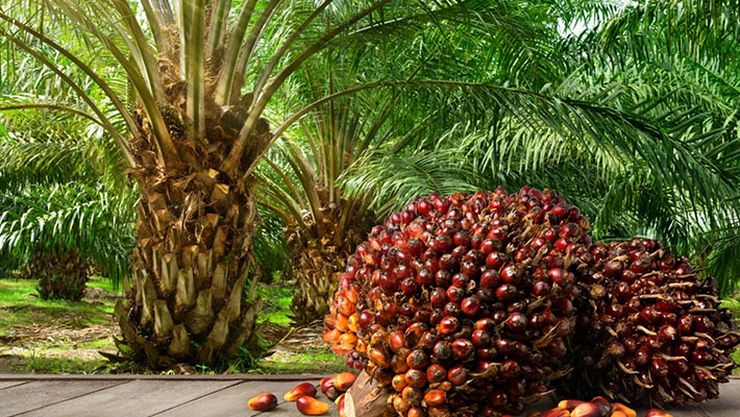
The Philippine government is planning a major expansion of domestic palm oil production, aiming to increase oil palm plantation areas to 300 thsd ha. The initiative is intended to reduce the country’s dependence on vegetable oil imports and strengthen domestic feedstock supplies. According to the Philippine Department of Agriculture, developing the sector will be part of broader efforts to improve food security and support domestic agricultural production
The Philippines currently consumes more than 1 mln tons of palm oil annually, while domestic production meets only around 9% of demand. The remaining 91% is imported, mainly from Indonesia and Malaysia, Southeast Asia’s largest palm oil producers. In 2025, Philippine palm oil production totaled approximately 140 thsd tons, while the country’s oil palm plantations covered around 63.4 thsd ha.
Under the government’s development roadmap, the initial target is to expand oil palm plantations to 100 thsd ha by 2028. In the longer term, the total plantation area is expected to reach approximately 300 thsd ha, nearly five times the current level. The program is designed to increase domestic palm oil production and gradually reduce the country’s reliance on imports.
To finance the sector’s development, the Philippine Department of Agriculture is seeking approximately PHP300 mln ($4.75 mln) in the 2027 national budget. Meanwhile, the department estimates that implementing the program will require around PHP1 bln ($15.85 mln) annually over the next five years. The funding is expected to support the expansion of production capacity and the development of the oil palm sector.
In addition to supplying domestic raw materials for the food industry and other sectors, expanding oil palm plantations is expected to create new opportunities for biofuel production. Palm oil is considered a potential feedstock for developing the country’s biofuel industry. The program could therefore help reduce the Philippines’ dependence on imports while establishing a stronger domestic feedstock base for value-added production.
Read also
Asia overtakes Europe as the largest importer of shelled US walnuts
Black Sea disruption reshapes Ukraine’s grain trade and export forecasts
Biofuel mandate rollback could pressure US soybean prices and crushing industry
Shortage of modern grain storage forces Russian farmers to use plastic silo bags
China raises 2026/27 sugar production forecast to 13.6 mln tons




Got additional questions?
We will be happy to assist!
Write to us
Our manager will contact you soon