

Panama phases out partially hydrogenated oils, boosting demand for alternative fats
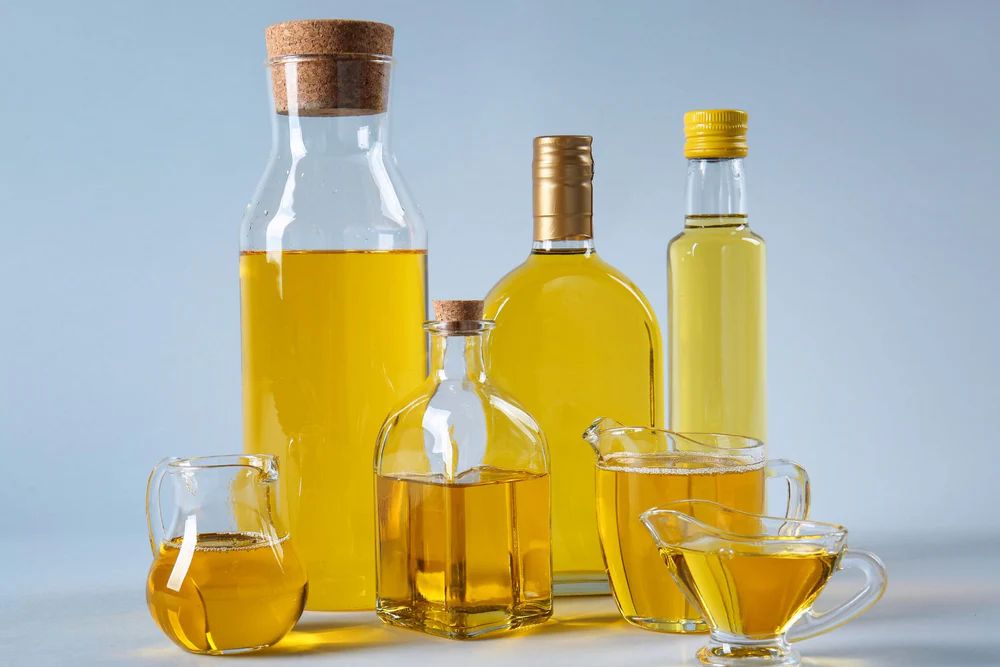
Panama is introducing a phased ban on the use of partially hydrogenated edible oils and fats in the food industry, potentially stimulating demand for alternative fat-based raw materials. Under Law No. 564, which entered into force on November 10, 2026, industrially produced trans fats in food products, ingredients and raw materials must not exceed 2% of total fat content. The new requirements apply to both domestically produced and imported products.
Manufacturers and suppliers have been given 36 months to transition to the new standards. In particular, suppliers of edible oils, fats and other ingredients must ensure their products comply with the trans fat limit within 12 months, while manufacturers of finished food products have 18 months to meet the requirement. The country must completely eliminate the use of partially hydrogenated oils in the food industry by November 2029.
The new regulations could change the structure of demand for edible oils and fats, as food manufacturers will need to replace traditionally used partially hydrogenated ingredients. Potential alternatives include palm and palm kernel oil fractions, fully hydrogenated fats blended with liquid oils, and high-oleic vegetable oils. These changes will be particularly relevant for producers of margarine, confectionery, baked goods and snacks.
Panama relies heavily on imports of edible oils, fats and finished food products, meaning the new requirements could affect its import structure. Suppliers will need to adjust product formulations to comply with the restrictions, while domestic processors will have to review their recipes and production technologies. However, the actual increase in demand for specific types of edible oils will depend on their prices, availability and technological characteristics.
Panama’s Ministry of Health will oversee implementation of the law and must approve the relevant regulations by May 2027. Violations may result in fines ranging from $100 to $250 thsd, depending on their severity, as well as possible suspension of business operations and seizure of non-compliant products. The new restrictions are in line with World Health Organization recommendations to eliminate industrially produced trans fats from the food supply.
Read also
Black Sea wheat prices in Romania and Bulgaria reach €289/ton FOB
Rapeseed prices in Ukraine decline amid worsening export logistics
Ukraine becomes South Korea’s largest supplier of corn for processing
EU budget proposed to be cut without increasing support for farmers
Moldova plans to restore navigation on the Prut River to boost trade with Romania ...




Got additional questions?
We will be happy to assist!
Write to us
Our manager will contact you soon