

Palm oil rises for third straight session, tracks rival oils higher
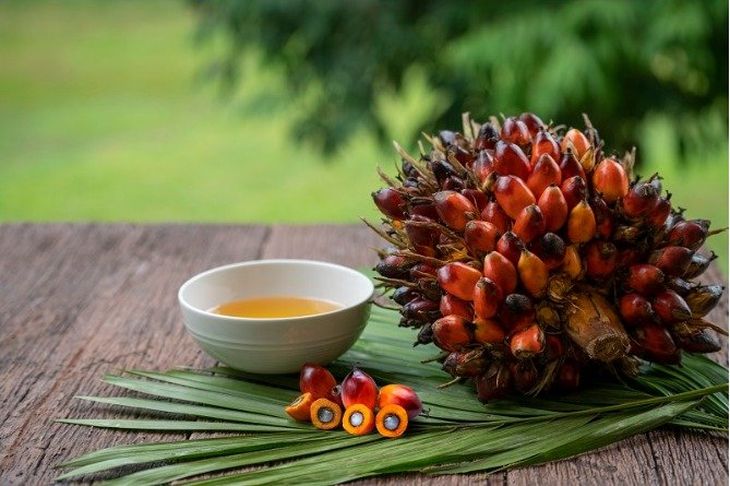
Malaysian palm oil futures climbed for a third straight session on Tuesday, supported by strength in Dalian and Chicago vegetable oils, although gains were limited by a drop in exports so far this month.
The benchmark palm oil contract for April delivery on the Bursa Malaysia Derivatives Exchange gained 46 ringgit, or 1.09%, to 4,252 ringgit ($950.81) a metric ton by midday.
“Bursa Malaysia CPO tracking gains in Dalian Commodity Exchange and some bargain hunting as well but firmer ringgit capping gains,” a Kuala Lumpur-based trader said, adding that market participants also awaited production update for Jan. 1-20 period.
Dalian’s most-active soyoil contract rose 1.02%, while its palm oil contract was up 0.52%. Soyoil at the Chicago Board of Trade gained 0.2%.
Palm oil tracks price movements in rival edible oils as it competes for a share of the global vegetable oils market.
Exports of Malaysian palm oil products for Jan. 1-20 are estimated to have fallen between 18.2% and 23%, according to cargo surveyors Intertek Testing Services and independent inspection company AmSpec Agri Malaysia.
Palm oil may retest support at 4,106 ringgit per metric ton, as a bounce triggered by this barrier may have completed.
For almost 30 years of expertise in the agri markets, UkrAgroConsult has accumulated an extensive database, which became the basis of the platform AgriSupp.
It is a multi-functional online platform with market intelligence for grains and oilseeds that enables to get access to daily operational information on the Black Sea & Danube markets, analytical reports, historical data.
You are welcome to get a 7-day free demo access!!!
Read also
China to expand insurance coverage for grains, oilseeds and livestock
Paraguay may expand soybean area to 3.7 mln ha
Moldovan farmers threaten protests over VAT increase on grains and oilseeds
US rail fuel surcharges pressure grain prices for farmers during harvest
France may harvest smallest corn crop in 50 years




Got additional questions?
We will be happy to assist!
Write to us
Our manager will contact you soon