

Palm oil prices may rise to $1,094/t by late 2027
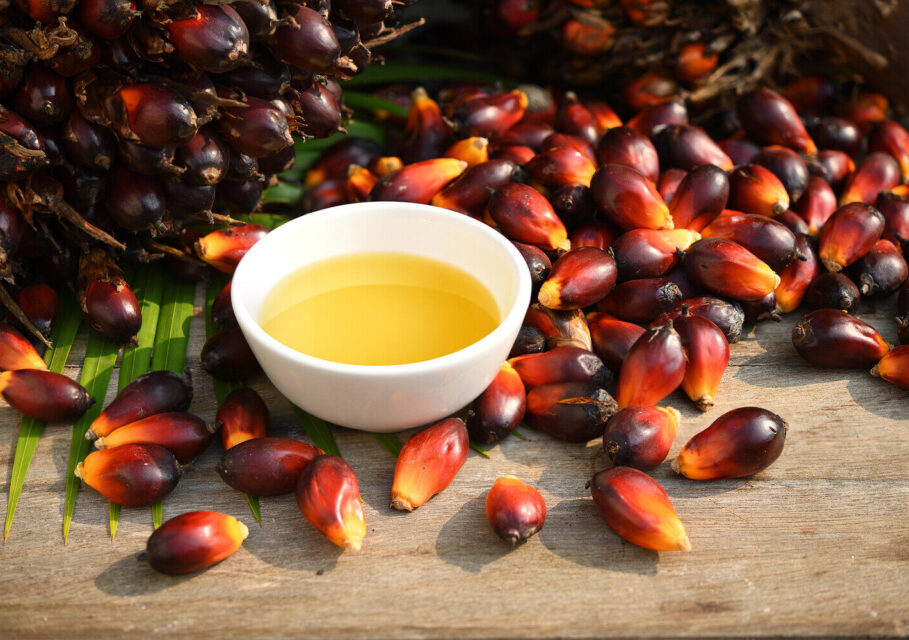
Global palm oil prices may gradually strengthen in 2027 due to risks of lower production in Indonesia and Malaysia, the impact of El Niño and rising domestic consumption in major producing countries. According to BMI, a Fitch Solutions company, the average crude palm oil (CPO) price is forecast to reach $1,094/t in Q4 2027, up from $1,038/t in Q1. The annual average price is projected at $1,066/t.
Meanwhile, BMI has lowered its average price forecast for 2026 from $1,082/t to $1,065/t due to weaker-than-expected price performance towards the end of the year. The average price in Q4 is expected to reach $1,042/t. Analysts anticipate that futures on Bursa Malaysia will remain volatile through the end of 2026, although trading is likely to stay within a relatively narrow range.
Global palm oil production in the 2026/27 season could decline by 3.1% to 78.9 mln tons. Output in Indonesia is expected to fall by 3.6% to 45 mln tons, while Malaysian production is forecast to decrease by 3% to 19.6 mln tons. Meanwhile, global consumption is projected to increase by 1.1% to 78.1 mln tons. As a result, the global palm oil supply surplus could narrow from 4.2 mln tons to 900 thsd tons.
Additional price support is expected from the expansion of Indonesia’s biodiesel program, which encourages higher domestic palm oil consumption and limits export availability. BMI forecasts Indonesia’s domestic consumption to rise by 2.4% to 23.4 mln tons in the 2026/27 season. For the first time, domestic consumption could exceed the country’s export volumes. However, high inventories in Malaysia remain a limiting factor for price growth, with stocks reaching 2.3 mln tons at the end of October, up 56.8% year-on-year.
In the longer term, BMI expects palm oil prices to continue rising gradually, averaging $1,069/t in 2028, $1,079/t in 2029 and $1,089/t in 2030. Demand growth will be supported by population expansion in Asia and Africa and increased biodiesel production. Meanwhile, ageing plantations, limited land availability and stricter environmental regulations remain key supply risks. Future price movements will also depend on the severity of El Niño, the implementation of Indonesia’s B50 biodiesel program and developments in crude oil and competing edible oil markets.
Read also
Baltic ports’ share of Russian wheat exports exceeds 60%
India’s wheat acreage may see biggest decline in 26 years
Attack on vessel in Baltic Sea poses new risks to Russian grain exports
Ukraine considers establishing agricultural hub in UAE to expand exports
European farmers warn of feed shortages due to new EUDR requirements




Got additional questions?
We will be happy to assist!
Write to us
Our manager will contact you soon