

Palm oil becomes cheaper than soybean oil, displacing Chinese supplies in India
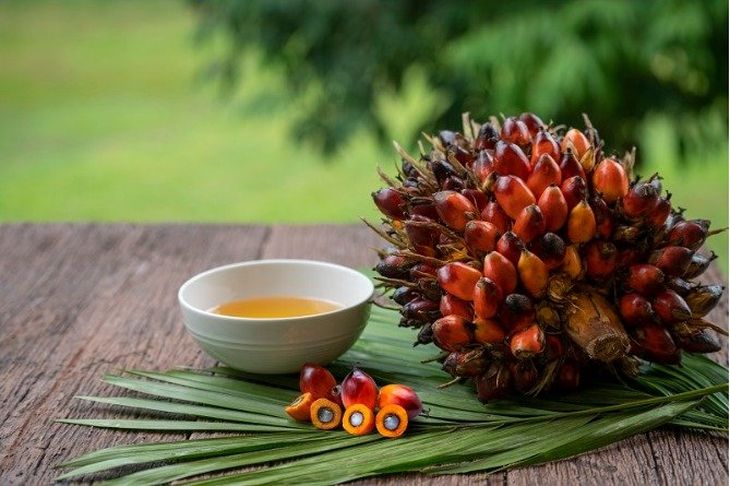
China is beginning to lose ground in India’s soybean oil market as a sharp decline in palm oil prices makes the latter significantly more competitive. According to Bloomberg, palm oil in India was about $12/ton more expensive than Chinese soybean oil in August, but by October it was trading at a $75/ton discount. In November, the price gap widened to approximately $160/ton in favor of palm oil, prompting Indian importers to reduce soybean oil purchases from China.
In January–October 2026, China exported 862.28 thsd tons of soybean oil, nearly three times more than during the same period last year. Around half of these shipments went to India. China unexpectedly became a net exporter of soybean oil thanks to record crushing of imported soybeans, while domestic demand was unable to absorb the additional production. In October, exports totaled 85.65 thsd tons, up 21% year-on-year but already below September’s level.
According to market participants, Indian buyers are increasingly switching to palm oil due to its lower price. The arrival of India’s new domestic oilseed harvest has also contributed to weaker import demand. Traders do not rule out the possibility that importers may not only reduce new purchases of Chinese soybean oil but also cancel previously contracted shipments in favor of cheaper palm oil cargoes. Meanwhile, Chinese suppliers are finding it difficult to compete with Argentina, which remains the world’s largest soybean oil exporter.
Palm oil’s improved competitiveness is linked to falling global prices amid record inventories in Malaysia. As of November 25, palm oil futures on the Kuala Lumpur exchange were trading near 4,194 ringgit/ton, or $1,019/ton, down approximately 17% from their September peak. Further declines in palm oil prices could intensify competition among major edible oils in the Indian market.
A potential reduction in domestic soybean crushing could further limit Chinese exports. According to a representative of Cargill Investments, soybean crushing volumes in China could decline by around 4 mln tons in 2027, from 104 mln to 100 mln tons, marking the first decrease in five years. The main reason is poor profitability in the hog industry, which is weighing on soybean meal demand. This could reduce soybean oil production and limit the country’s export potential. Analysts expect a seasonal slowdown in Chinese shipments from December through February, although China could retain its role as a swing supplier in the global market over the longer term.
Read also
Wheat falls while corn and soybeans rise in Chicago on Tuesday
Biodiesel in Rotterdam loses its price advantage over conventional marine fuel
Hungary considers resuming Ukrainian corn imports
Black Sea–Danube region: rapeseed in 2027/28 – area expansion and stronger c...
Namibia imports nearly 90% of its wheat despite local farmers struggling to sell t...




Got additional questions?
We will be happy to assist!
Write to us
Our manager will contact you soon