

Pakistan floods and wheat ban drive poultry feed prices up
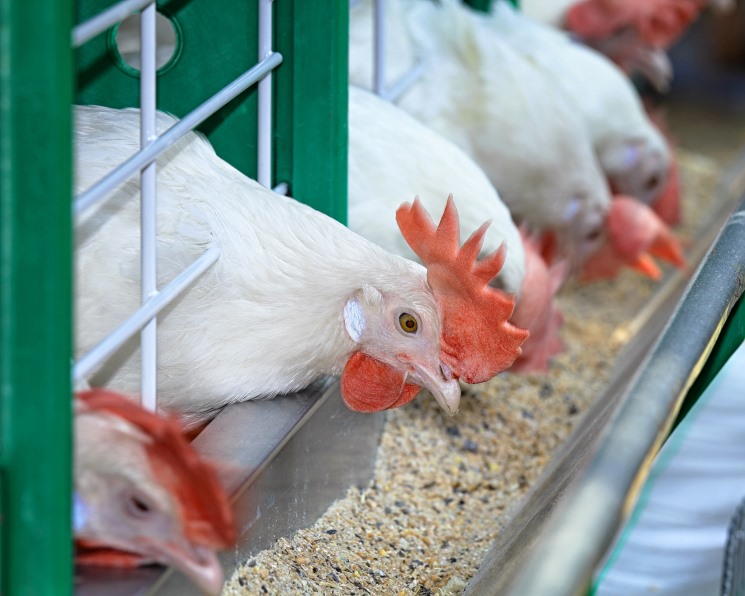
Some of the worst floods in years in the Punjab province of Pakistan, coupled with a state ban on using wheat in feed production, have triggered an unprecedented price hike on the poultry feed market.
The average price of a 50-kg bag of feed in Pakistan jumped by nearly 12% or PKR 800 ($2.84) to PKR 7,450 ($26.43) during the last 45 days, City41, a local news outlet, has revealed, citing local farmers.
In August, Pakistan was hit by a flood that has already been recognised as the world’s deadliest since the 2020 South Asian floods and described as the worst in the country’s history.
The flood has destroyed harvests, inundating millions of acres of farmland and damaging major crops like rice, cotton, and maize.
In early September, the Punjab province, in response to the damage caused by the flooding, imposed a 30-day ban on the use of wheat in feed mills to ensure a consistent supply of wheat for human consumption, which faced a potential shortage due to a reduced harvest and increased prices.
The decision has led to a significant supply disruption in the feed industry.
At the time of the ban, feed mills in Punjab held around 104,184 tonnes of wheat. According to the Secretary of Price Control, these stocks were being earmarked for poultry feed.
As a result of the ban, poultry farmers had to urgently search for alternative components.
Most farmers switched to corn, although it is more expensive on the local market than wheat, according to local press reports.
However, recent floods in Pakistan have also submerged corn crops in Punjab, meaning that corn availability will also be imported in the coming weeks.
Poultry feed prices are rising due to a surge in the cost of feed ingredients, said Sajjad Hussain, director of the Livestock and Dairy Development Department at the Veterinary Research Institute. As a result, poultry farmers are under substantial pressure, he added.
Against this background, poultry farmers have called on the Pakistani government to temporarily abolish the import duty on corn to facilitate larger imports to Pakistan, Malik Muhammad Sharif, Vice Chairman of the Pakistan Poultry Association, has recently revealed.
Over the past several years, Pakistan has pursued protectionist policies in the corn market to shield domestic producers. Corn imports are subject to a 10% customs duty levied on all imported goods and an additional 10% regulatory duty.
Further development of the grain and oilseed markets of Ukraine and the Black Sea region will be in the spotlight of the BLACK SEA GRAIN. KYIV conference, taking place on April 22–23 in Kyiv. The event will focus on strategic directions for the agricultural sector through 2030, including investments, energy independence, processing, and exports of high-value products.
Join strategic discussions and networking with industry leaders to gain актуальна insights, discover new business opportunities, and build partnerships with key market players.
Read also
Black Sea & Danube: Crop and Export Forecast
Rapid exports of Ukrainian flour to China unlikely despite market opening
Soybean harvest begins in Argentina
Ukraine, Syria and Turkey discuss logistical routes bypassing the Strait of Hormuz
Brazil ships first DDG batch to China, opening new feed market




Got additional questions?
We will be happy to assist!
Write to us
Our manager will contact you soon