

Only 2.2% of Vietnam’s livestock farms meet biosecurity standards
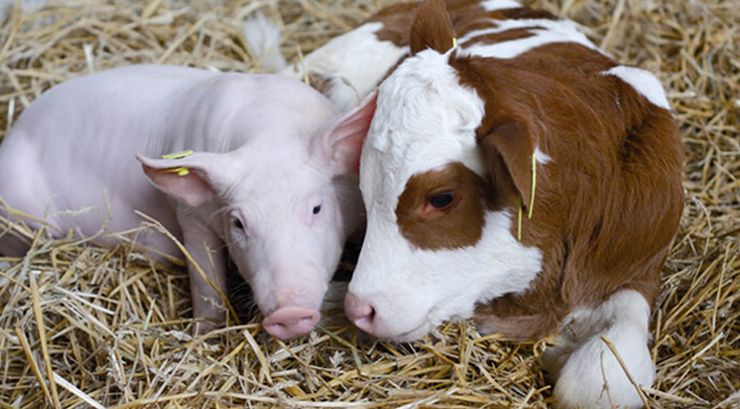
Only 2.2% of livestock farms in Vietnam implement biosecurity procedures or operate under standards equivalent to VietGAP, according to the country’s agricultural census. The figure highlights the livestock sector’s significant vulnerability to the spread of animal diseases.
The main reasons for the low adoption of biosecurity measures include strict technical requirements and extensive documentation. Small farms also face high upfront investment costs, as well as lengthy and expensive certification procedures.
The problem is becoming increasingly important as livestock production becomes more concentrated. High animal densities combined with inadequate biosecurity increase the risk of infectious diseases spreading rapidly, potentially leading to disease outbreaks, livestock losses and significant economic damage for producers.
Low biosecurity adoption could also constrain exports of Vietnamese animal products. Failure to meet relevant standards creates reputational risks and makes it more difficult for producers to access international markets with stricter veterinary and sanitary requirements.
Experts say the situation could be improved through farmer training programs, financial support for small and medium-sized farms, and simplified certification procedures. Wider adoption of biosecurity measures could reduce disease risks and create conditions for more sustainable growth of Vietnam’s livestock sector.
Read also
Coming Up in UkrAgroConsult Reports: Key Market Signals
Dragon Capital forecasts reopening of Black Sea grain corridor in 2027
Iran and Afghanistan are the only markets where Russian wheat has gained market share
USDA raises US corn production forecast
Global palm oil stocks to fall to lowest level since 2017/18 — USDA




Got additional questions?
We will be happy to assist!
Write to us
Our manager will contact you soon