

Nigeria increases wheat imports despite rising domestic production
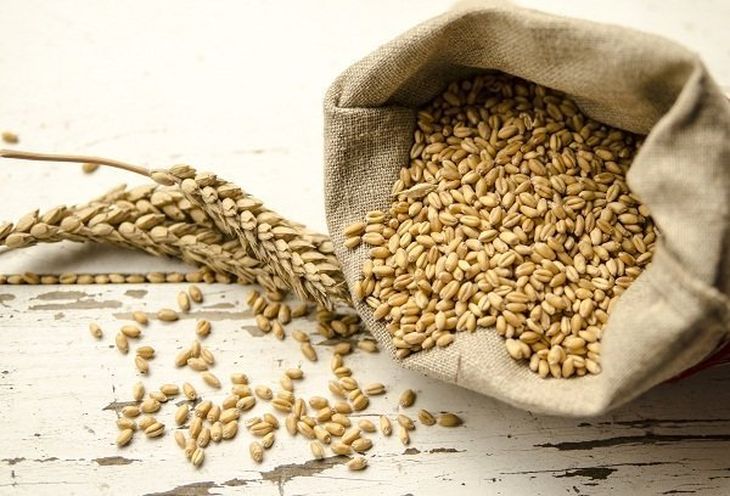
Nigeria could increase wheat imports to 7.2 mln tons in the MY 2026/27 amid continued growth in domestic demand. According to USDA FAS, purchases are forecast to rise by nearly 500 thsd tons from the previous season despite the country’s efforts to expand domestic production.
Wheat production in the main growing regions of Kano, Borno, Bauchi, Yobe, Zamfara and Jigawa is forecast at 140 thsd tons in the new season, up 7% year-on-year. Overall, Nigeria’s wheat production has nearly doubled since 2020, but consumption has increased by more than 45% over the same period.
Over the past decade, the Nigerian government has sought to reduce wheat import costs and increase crop yields. One of the key initiatives is the NAGS-AP program, under which farmers receive subsidies covering 25% of seed costs and 50% of fertilizer costs, as well as access to credit, insurance and agricultural extension services.
According to the African Development Bank, Nigeria’s wheat area increased from 11.8 thsd ha in 2021 to nearly 400 thsd ha in 2025, while yields rose by 30%. However, rapidly growing consumption is preventing the country from significantly reducing its dependence on foreign supplies.
Canada, Australia, Russia, the United States and Black Sea countries remain the main suppliers of wheat to the Nigerian market. High import dependence makes Nigeria an important market for global wheat exporters, while growth in domestic production continues to lag behind rising demand.
Read also
Romania proposes joint NATO command to protect the Black Sea
Drought in India threatens sugar and biofuel production
Record sunseed harvest in Russia threatens to drive down prices in Kazakhstan
Corn drying costs in Ukraine could exceed the value of the grain at current prices
Oilseeds remain the only profitable segment of crop production in Russia




Got additional questions?
We will be happy to assist!
Write to us
Our manager will contact you soon