

Nigeria boosts wheat production 3.5-fold to 420 thsd tons
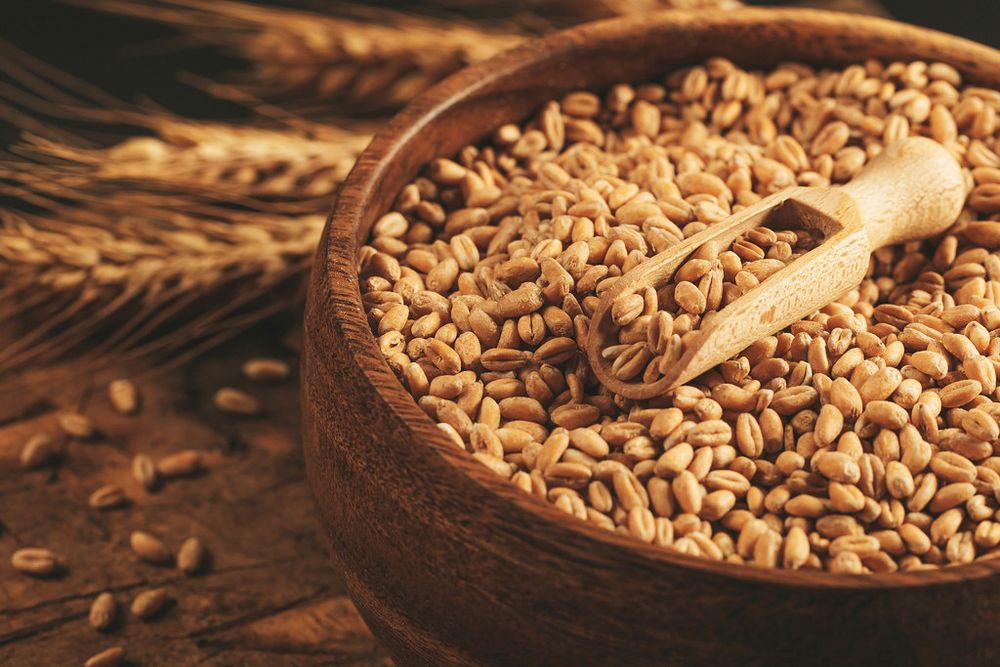
Nigeria’s wheat production has increased from 120 thsd tons to 420 thsd tons per year following the implementation of the National Agricultural Growth Scheme and Agro-Pocket (NAGS-AP), according to the country’s Ministry of Agriculture and Food Security.
The program provides smallholder farmers with subsidized inputs, including fertilizers, crop protection products, improved seeds and extension services. The government says better access to these resources has been one of the key drivers behind the increase in wheat production.
At the same time, Nigeria’s agricultural sector continues to face low productivity. The government identifies the current land-use system as one of the main structural constraints, as it limits farmers’ access to larger plots of land.
Most smallholders currently cultivate only around 0.5–2 ha. The government plans to reform land-use rules to encourage larger-scale farming, improve productivity and raise farmers’ incomes.
The planned reforms are expected to cover the entire agricultural value chain, from production and processing to distribution and marketing. Authorities expect broader support for farmers to help narrow food supply gaps and strengthen Nigeria’s wheat self-sufficiency.




Got additional questions?
We will be happy to assist!
Write to us
Our manager will contact you soon