

Mexico increases beef exports to the US by 17% amid declining live cattle shipments
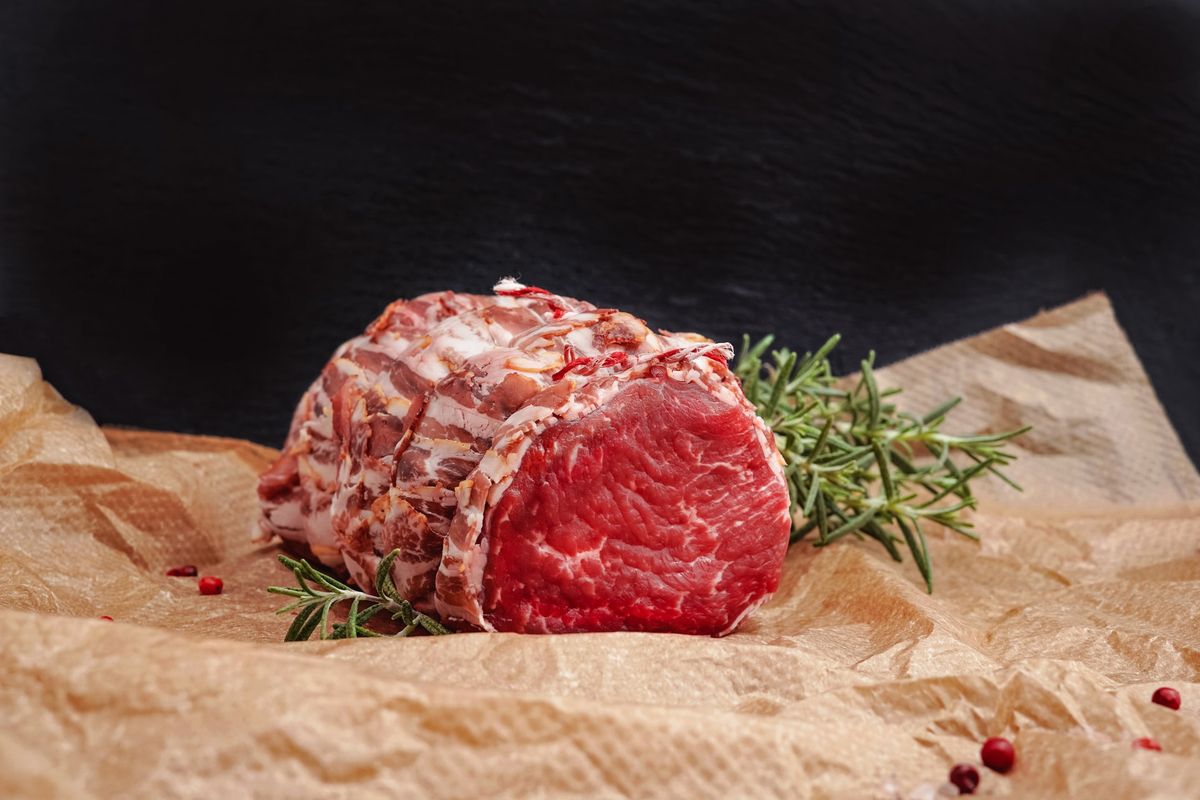
In September 2026, Mexican beef and veal shipments to the United States reached 117% of their September 2024 level, representing a 17% increase. Meat exports have risen amid a sharp decline in live cattle shipments due to veterinary restrictions along the US-Mexico border. According to economists at Kansas State University, US importers are increasingly purchasing beef cuts and other meat products instead of cattle that would previously have been imported for finishing in the United States.
In September 2026, the United States imported more than 13 thsd head of Mexican feeder cattle, equivalent to only around 16% of the volume recorded in the same month of 2024. Trade remains restricted due to measures aimed at controlling the New World screwworm, whose larvae parasitize animals. Despite the gradual reopening of border crossings, shipments remain well below pre-restriction levels.
For comparison, in 2023 and 2024, the United States imported approximately 1.2 mln head of Mexican feeder cattle annually, equivalent to around 4% of the US calf crop. Mexican cattle have traditionally played an important role in supplying US feedlots with animals for finishing and subsequent beef production. The decline in these shipments has prompted market participants to partially shift toward importing beef instead.
Meanwhile, the United States is gradually reopening border crossings for Mexican cattle. The Santa Teresa crossing resumed operations on September 24, 2026, followed by Columbus, New Mexico, on October 26. These developments create opportunities for a gradual recovery in live cattle imports, although a return to previous trade volumes will depend on animal health conditions and further easing of restrictions.
According to Kansas State University, Mexican feeder cattle shipments to the US market are expected to recover gradually, although it remains uncertain whether increased imports of Mexican beef will become a long-term trade trend. Further changes in trade patterns could affect demand from US feedlots, meat processing capacity utilization and the overall beef supply balance in the United States.
Read also
India’s chickpea crop falls nearly 30% due to adverse weather conditions
Global palm oil demand rises amid tighter soybean and sunflower oil supplies
Ukraine’s flour exports fall 41% amid maritime logistics disruptions
Middle East faces animal feed shortages amid supply disruptions
Trilateral talks begin in Abu Dhabi, with grain exports from Ukraine and Russia al...




Got additional questions?
We will be happy to assist!
Write to us
Our manager will contact you soon