

Jordan turns to local grain as a buffer against import disruptions
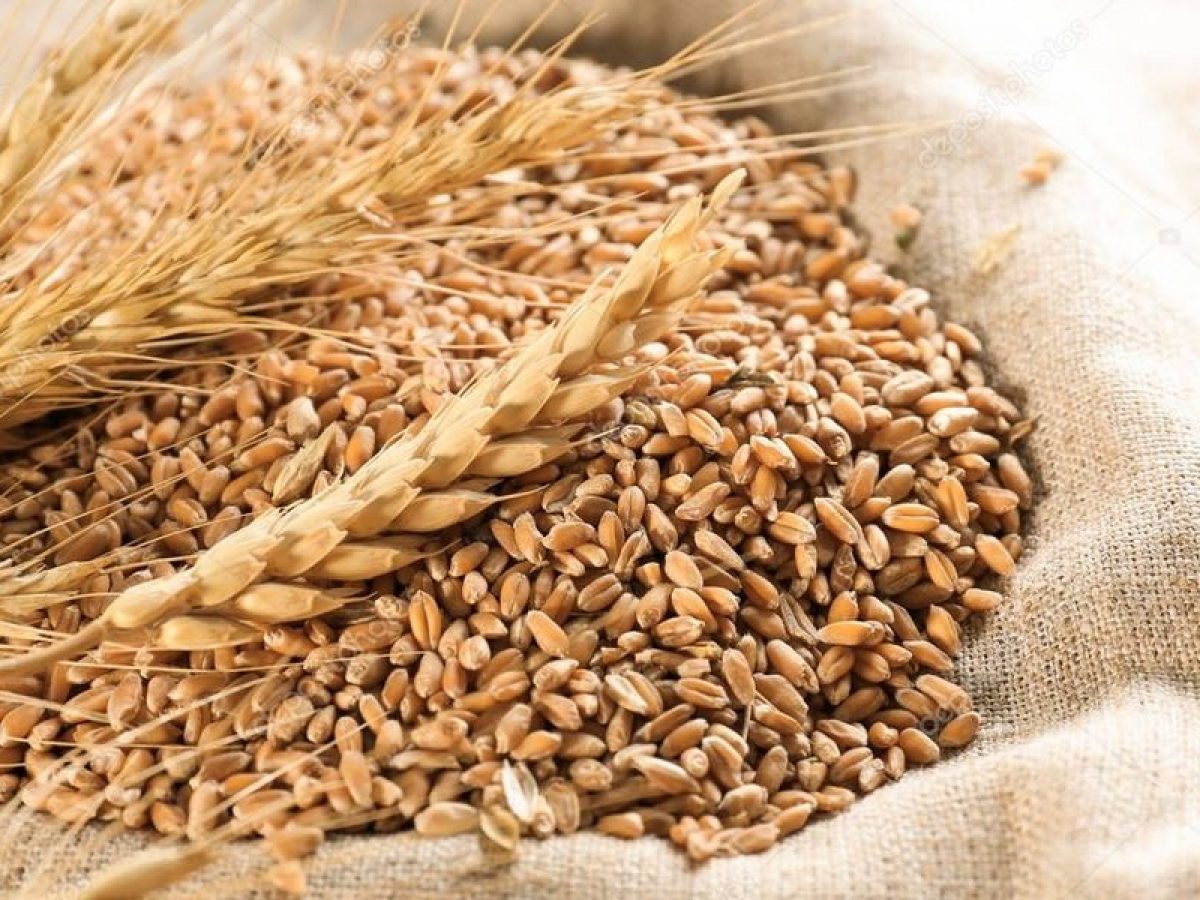
Jordan is increasing purchases of locally produced wheat and barley, viewing domestic output as an additional buffer against disruptions in global markets and logistics. However, local grain cannot fully replace imports, on which the country remains heavily dependent.
In the 2025/26 season, the government raised its target purchases of wheat and barley from 110 thsd tons to 147 thsd tons, while the budget increased from JD45 mln to JD59 mln. This marks the second increase in funding during the season.
Local grain is expected to supplement strategic stocks and reduce exposure to swings in international prices, freight costs, shipping disruptions and possible export restrictions by suppliers. Each ton produced domestically is less dependent on maritime transport and external trade infrastructure.
At the same time, Jordan is not seeking full self-sufficiency in wheat and barley because of limited water resources and a shortage of suitable land. Any expansion in production is expected to focus mainly on rainfed farming areas, with support linked to more efficient water use.
Barley production is particularly important because most of the crop is used in livestock feeding. Increasing domestic supply could partly reduce dependence on imported feed and support incomes for local farmers and livestock producers.
Read also
Iraq plans to purchase up to 4 mln tons of domestic wheat in 2026/27
Philippine soybean meal imports may rise 10% in 2027
Ukraine open to transitional arrangements for agriculture in EU accession talks
Coordination failures on Romanian railways slow Ukrainian grain shipments
Fruit and vegetable producers shift focus from premium products to production resi...




Got additional questions?
We will be happy to assist!
Write to us
Our manager will contact you soon