

Iraq plans to purchase up to 4 mln tons of domestic wheat in 2026/27
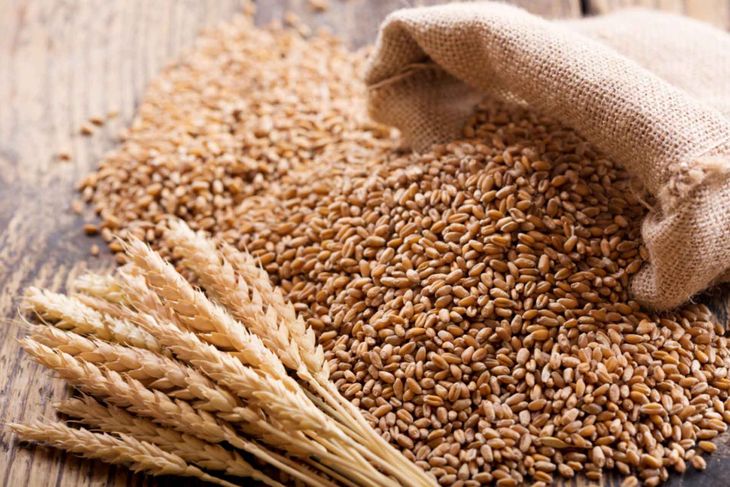
The Iraqi government has approved its winter planting plan for the 2026/27 season, providing for expanded state support for farmers and increased purchases of domestically produced grain. The Ministry of Trade has been authorized to purchase up to 4 mln tons of wheat from producers across the country’s governorates, excluding the Kurdistan Region. The program aims to support domestic grain production, particularly wheat and barley, and strengthen national food security.
Government procurement prices will depend on the size of the cultivated area and the approved irrigation system. Wheat grown under the national agricultural program on farms covering up to 1,000 dunums will be purchased at IQD 700 thsd per ton, or approximately $534/t. For farms with cultivated areas exceeding 1,000 dunums, the price will be IQD 500 thsd, or around $382/t. The program will cover both rain-fed cultivation and traditional and modern irrigation systems.
To reduce production costs, the government is introducing substantial subsidies for inputs used in wheat cultivation. In particular, the state will cover 70% of seed costs and provide a 100% subsidy for pesticides used on wheat crops under the approved agricultural plan. The support measures are expected to facilitate preparations for the new season and encourage farmers to maintain grain production.
Separate measures target the fertilizer market. The Iraqi government has decided to suspend the additional 35% import duty on urea from all origins until February 28, 2027. In addition, the Ministry of Agriculture has been authorized to purchase diammonium phosphate (DAP) directly from manufacturers, bypassing intermediaries. These measures are intended to reduce fertilizer procurement costs and improve farmers’ access to essential inputs for planting.
Meanwhile, the government has authorized the acceptance of feed barley produced under the winter agricultural plan without subsidies. Procurement will be handled by state-owned and mixed-sector seed companies, which have also been permitted to export the product. Overall, the new agricultural plan combines guaranteed government grain purchases, input subsidies and relaxed fertilizer import restrictions to support domestic wheat production and reduce Iraq’s dependence on foreign supplies.
Read also
Philippine soybean meal imports may rise 10% in 2027
Ukraine open to transitional arrangements for agriculture in EU accession talks
Coordination failures on Romanian railways slow Ukrainian grain shipments
Fruit and vegetable producers shift focus from premium products to production resi...
Iran’s wheat planting at risk amid delays in government payments to farmers




Got additional questions?
We will be happy to assist!
Write to us
Our manager will contact you soon