

Israel identifies key technologies to combat drought and soil degradation
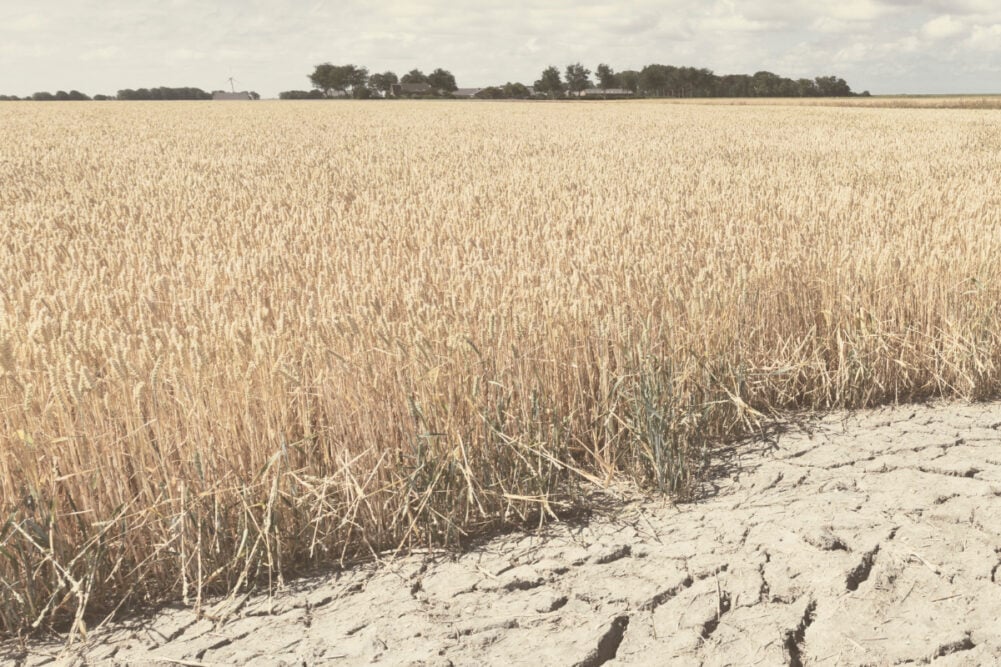
The Israel Innovation Authority and C4IR Israel have identified five key technology areas for tackling desertification and land degradation. These include water systems for arid regions, climate-resilient agriculture, soil restoration, environmental intelligence, and distributed renewable energy.
For agriculture, the main focus is on precision irrigation, water reuse, drought-resistant crops, biological approaches to soil improvement and advanced decision-support systems. These technologies are intended to help maintain food production under increasing water scarcity and soil stress.
Satellite monitoring, soil and water sensors, digital soil mapping and drought early-warning systems are also highlighted. Artificial intelligence can be used to assess land conditions and improve the allocation of water and other resources.
The report stresses that simply expanding conventional irrigation will not be enough. A more effective agricultural model should combine water recycling, precision application, crop selection, soil management and digital monitoring.
Israel views the Negev Desert as a testing ground for these technologies under real-world conditions of extreme heat, limited rainfall, salinity and prolonged drought. The study also identified around 100 Israeli companies working with data, sensing, AI and decision-support systems for climate-vulnerable regions.
Read also
Romania proposes joint NATO command to protect the Black Sea
Drought in India threatens sugar and biofuel production
Record sunseed harvest in Russia threatens to drive down prices in Kazakhstan
Corn drying costs in Ukraine could exceed the value of the grain at current prices
Oilseeds remain the only profitable segment of crop production in Russia




Got additional questions?
We will be happy to assist!
Write to us
Our manager will contact you soon