

Iraq wheat farms turn to wells as rivers hit historic lows
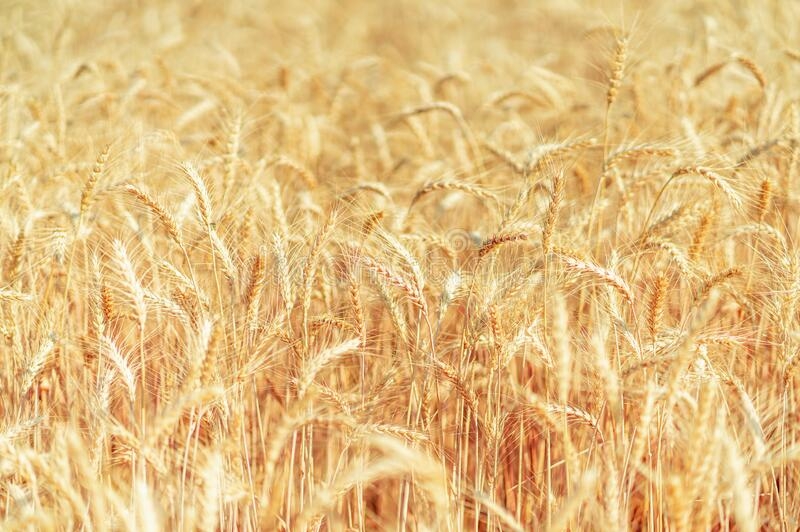
Across Iraq’s wheat belt, farmers are turning away from traditional river-fed irrigation as the Tigris and Euphrates shrink, replacing canals with wells, sprinklers and storage basins.
In southern Basra province, wheat fields that once depended on surface water are now irrigated by sprinklers drawing from groundwater, including saline supplies, in a shift that farmers say is no longer optional.
Ali Fahad, a wheat farm owner in Basra, says desert agriculture now depends entirely on whether water quality is suitable for crops. He explains that wheat can tolerate agricultural water with salinity levels of 1,000 to 1,500, even up to 2,000, which he describes as excellent for the crop. The real problem, he says, is cost. Drilling wells, installing sprinkler systems and maintaining pumps has sharply increased production expenses at a time when many farmers are already under financial pressure.
Conditions vary sharply across the country. In central provinces such as Najaf, farmers say groundwater is often unusable. Ma’an al-Fatlawi, another wheat farm owner, says wells in districts surrounding Najaf will not succeed because the water is either too saline or sulphurous. As a result, large areas of agricultural land remain uncultivated despite being prepared for planting, as farmers cannot rely on wells to sustain their crops.
The agriculture ministry has responded by tightening control over wheat cultivation and water use. Officials have capped wheat areas irrigated by river water and made modern irrigation systems mandatory under a two-phase national plan. The policy aims to conserve limited surface water while pushing farmers towards sprinklers and other water-saving techniques, particularly in desert and semi-arid regions.
While the measures are intended to protect water resources, farmers and water experts warn that increased reliance on groundwater carries its own risks. Over-extraction threatens to worsen salinity and deplete aquifers, potentially undermining the very solution farmers have turned to in response to shrinking rivers. For now, however, many growers say they have little choice, as keeping wheat alive increasingly depends on what lies beneath the ground rather than what flows through Iraq’s rivers.
For almost 30 years of expertise in the agri markets, UkrAgroConsult has accumulated an extensive database, which became the basis of the platform AgriSupp.
It is a multi-functional online platform with market intelligence for grains and oilseeds that enables to get access to daily operational information on the Black Sea & Danube markets, analytical reports, historical data.
You are welcome to get a 7-day free demo access!!!
Read also
Tunisia purchases 26.5 thsd tons of feed corn in tender
Palm oil prices rise on strong Malaysian exports and higher crude oil prices
Coming Up in UkrAgroConsult Reports: Key Market Signals
India may increase edible oil imports to 17 mln tons in MY 2026/27
New Zealand grain and feed imports rise to 2.9 mln tons




Got additional questions?
We will be happy to assist!
Write to us
Our manager will contact you soon