

Indonesia tightens palm oil export controls as biodiesel demand rises
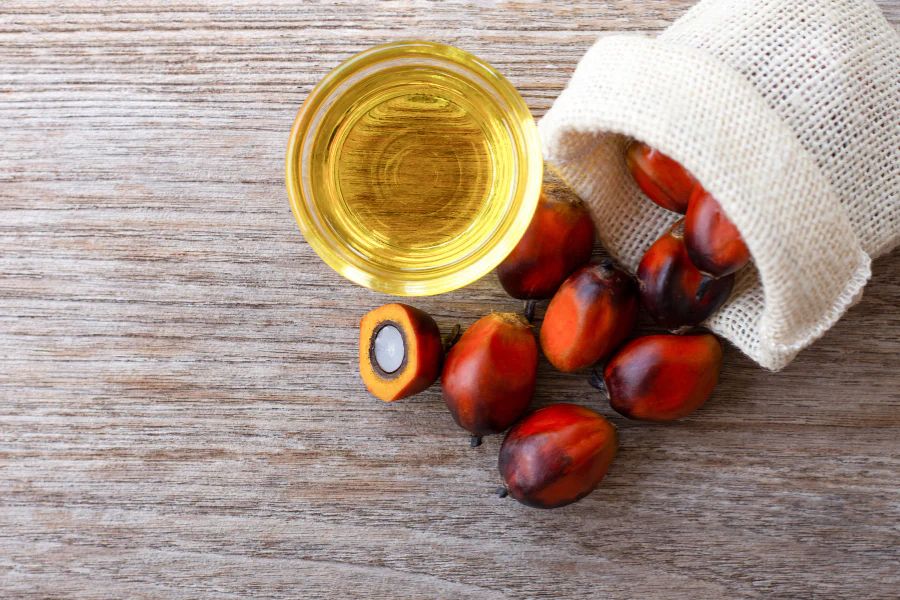
Indonesia is preparing to significantly overhaul its palm oil export system from 2027 while simultaneously increasing domestic use of the commodity for biodiesel production. The combination could reduce volumes available to the global market and add upward pressure to prices.
From January, exports of strategic commodities are expected to be centralized through state-owned PT Danantara Sumberdaya Indonesia (DSI). The entity is expected to gain broader control over export contracts, permits, levies and foreign-exchange receipts, while also becoming the official exporter of record for relevant shipments.
At the same time, Indonesia is raising its biodiesel blending requirements, which will increase domestic demand for palm oil. If production fails to grow fast enough, a larger share of supply could remain in the domestic market rather than being exported.
The changes are particularly important for India and other major importers. Indonesia accounts for around 57% of global palm oil production, so any reduction in export availability could push buyers to source more from Malaysia or increase purchases of alternative vegetable oils.
Market participants are also concerned about possible administrative and logistical bottlenecks during the transition to the new system. Combined with stronger biodiesel demand, this could support palm oil prices from 2027 and increase volatility across the broader vegetable oil complex.
Read also
Moldova may increase imports of Ukrainian sunflower seed due to price gap
Iraq launches new crude oil route through Syria to bypass the Strait of Hormuz
Bulgarian wheat prices fall amid weak global market
Baltic Sea Region: Focusing on grain & oilseed potential, exports, logistics
EU lamb shortage grows as production declines




Got additional questions?
We will be happy to assist!
Write to us
Our manager will contact you soon