

Indonesia delays B50 rollout and raises palm oil export levies
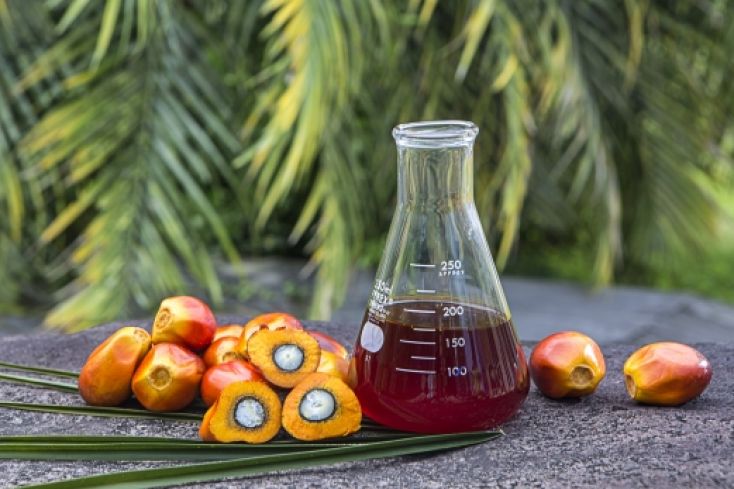
Indonesia has scrapped plans to introduce a mandatory B50 biodiesel mandate in 2026 and will retain the current B40 blending requirement due to technical and funding constraints, government officials said. The decision eases concerns about potential pressure on global palm oil supplies.
The country had planned to roll out B50 — a blend of 50% palm-based biodiesel and 50% conventional diesel — in the second half of the year. Instead, the existing B40 mandate, which requires a 40% biodiesel blend, will remain in force. Deputy Energy and Mineral Resources Minister Yuliot Tanjung said higher diesel output from the Balikpapan refinery makes B40 sufficient for now.
Authorities are also reviewing the timeline for completing B50 fuel trials, particularly for trains, heavy equipment and industrial machinery. Indonesia’s chief economic minister Airlangga Hartarto said any potential implementation of B50 in 2027 would depend on the price gap between fossil diesel and palm oil-based fuel.
The announcement weighed on palm oil markets, with Malaysian benchmark palm oil futures falling 0.52% after the news. Analysts said scrapping the B50 plan is bearish for prices, as the market had expected stronger domestic absorption of crude palm oil (CPO). A B50 mandate could have increased CPO use for biodiesel by about 2.2 million tonnes.
Downward pressure on prices has also been amplified by rising inventories in Malaysia, where palm oil stocks climbed in December to a near seven-year high, exceeding the psychologically important 3 million-tonne level. This has raised expectations that palm oil may trade at a discount to competing vegetable oils due to higher carryover stocks.
At the same time, Indonesia will raise palm oil export levies to support funding for its biodiesel programme. Export levies on crude palm oil will increase to 12.5% from March 1, up from 10%, while levies on refined palm oil products will be raised by 2.5 percentage points.
Industry groups warned that higher levies could undermine Indonesia’s competitiveness in global markets and divert buyers toward alternative suppliers such as Malaysia. However, the Indonesian Palm Oil Association (GAPKI) said maintaining the B40 mandate strikes a balance between production, domestic demand and exports, helping to support CPO prices while sustaining export volumes and levy revenues.
Read also
Food, Fuel, Future: How Will Ukraine Scale Processing?
Ukraine Loses the EU Market and Returns to Fierce Wheat Competition
Brazil’s soybean exports drop nearly 18% in March amid shipping challenges
Indian vegetable oil buyers reduce purchases, expecting prices to ease after Iran war
EU soft wheat and rapeseed yields expected lower in 2026




Got additional questions?
We will be happy to assist!
Write to us
Our manager will contact you soon