

India’s AI system already monitors pests across 73 crops
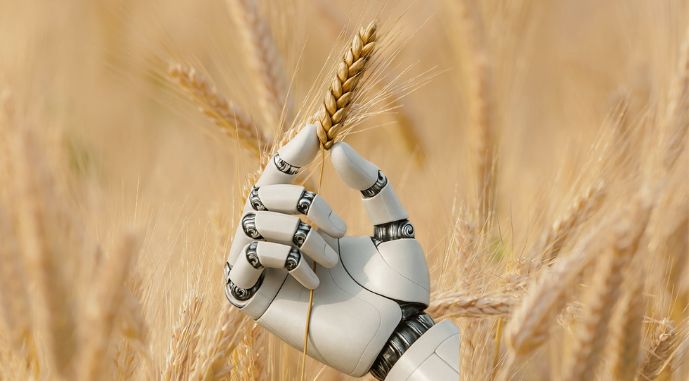
India is actively deploying artificial intelligence to protect crops from pests. The National Pest Surveillance System (NPSS) uses computer vision and machine learning to identify threats directly in the field and provide farmers with timely recommendations on how to respond.
The system works quite simply: a farmer takes a photo of an affected leaf or insect through a mobile app, after which AI algorithms analyze the image, identify the pest and automatically generate science-based crop protection recommendations. This allows farmers to identify problems and receive guidance directly in the field.
The system has already reached a significant scale: NPSS covers 73 crops and 436 harmful organisms. Farmers have received 35,565 recommendations through the app, making AI a practical tool for reducing crop losses rather than merely an experimental technology.
NPSS is just one part of India’s broader agricultural digitalization drive. The government is also using satellite imagery, remote sensing, drones, geographic information systems and AI to monitor crops, forecast production and support farmers.
India is also developing digital services that provide farmers with personalized advice. The AI-powered Bharat-Vistaar platform has already served more than 590 thsd farmers and handled over 9.3 mln farmer queries, providing information on weather, agricultural commodity prices, soil health, pests and crop diseases.
Read also
Jordan buys 50 thsd tons of barley in tender
Ukraine introduces priority rail and port transportation for edible oils
Palm oil prices in Malaysia decline after reaching four-week high
EU nitrogen fertilizer prices remain 45% above 2024 levels despite cheaper imports
Greece to begin biomethane production for transport sector for the first time




Got additional questions?
We will be happy to assist!
Write to us
Our manager will contact you soon