

Import of repack to the EU decreased by 39% in river volumes starting from MY 2025/26
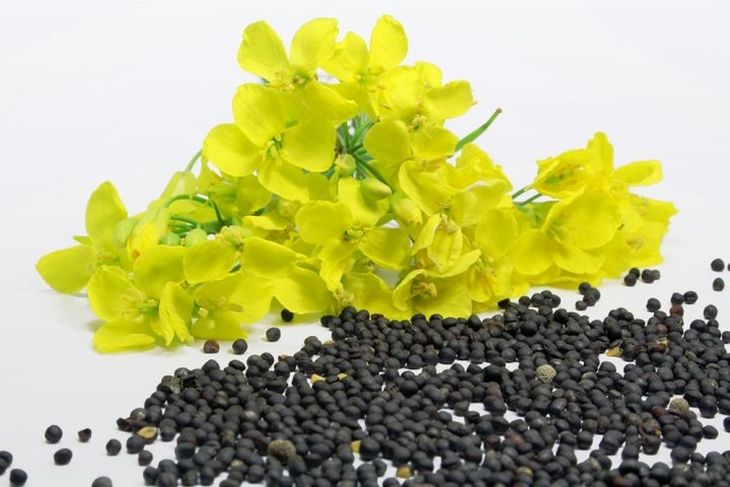
According to EU data, EU rapeseed imports have declined by 39% year-on-year since 2025/26, with Australia and Ukraine accounting for a smaller share, but Canada’s share increasing. As of February 1, 2026, Ukraine was the largest rapeseed supplier to the European Union with 1.168 million tonnes, a 46.8% decrease from the previous year, and its share declining from 56.2% to 49.1%.
Australia is the second-largest supplier, with 438,000 tonnes shipped, a 60.5% decrease from the previous year; its share decreased from 28.4% to 18.4%.
Canada is the third-largest supplier, with 271,000 tonnes shipped, a 23.2% decrease from the previous year, but its share increasing from 9.0% to 11.4%.
From 2025/26 to the present, the EU imported 2.38 million tonnes of rapeseed, a 39% decrease compared to the previous year.
In 2024/25, the EU imported 7.447 million tonnes of rapeseed, an increase of 31% compared to the previous year. Of this, 3.51 million tonnes were imported from Australia, an 87.7% increase compared to the previous year, and its share increased from 33.0% to 47.1%. Ukraine imported 2.41 million tonnes, a 23.7% decrease compared to the previous year, while its share remained unchanged from 55.6% to 32.4%. Canada imported 1.13 million tonnes, an increase of 999% compared to the previous year, and its share also increased significantly, from 1.8% to 15.2%.
Read also
S&P Global warns of risk of global food crisis in 2027
European Parliament urges EU to consider naval operation in the Black Sea
Wheat futures fall for eighth consecutive week for first time since 1997
Indonesia develops livestock feed production from palm oil by-products
Brazilian soybean meal becomes cheaper than Argentine product amid logistics disru...




Got additional questions?
We will be happy to assist!
Write to us
Our manager will contact you soon